
Damascus Laboratory Conference Focuses on Quality and Antibiotic Control
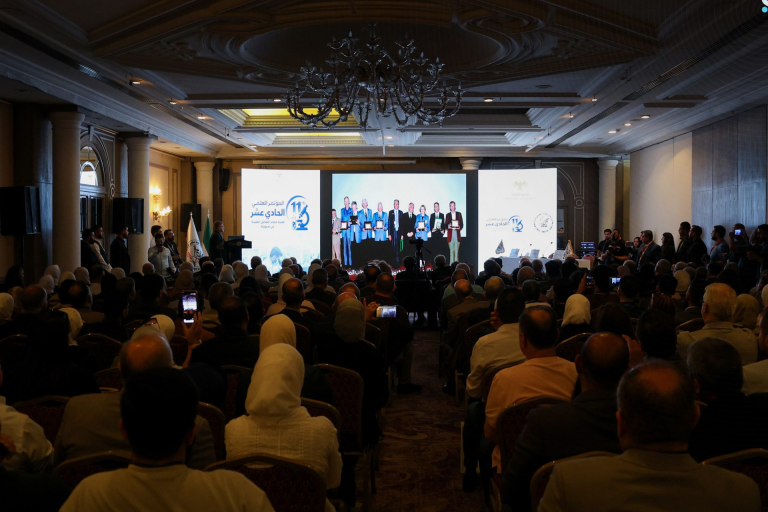
The Syrian Laboratory Authority has concluded its 11th scientific conference in Damascus, marking a return to the event after a seven-year hiatus. The conference served as a platform to establish a roadmap for advancing the laboratory sector and improving the efficiency of health services provided to citizens. The event saw broad attendance from doctors and specialized technicians, resulting in a series of strategic recommendations aimed at elevating laboratory standards in coordination with the Ministry of Health.
Biosafety and oversight dominated the conference agenda. Participants emphasized the necessity of forming a specialized national committee to combat antibiotic resistance, calling for the implementation of programs to curb its spread in line with international standards. In a related development, the Laboratory Authority announced the launch of a national quality assurance program covering both public and private laboratories. This initiative will involve strict oversight mechanisms, including the distribution of blind samples to laboratories to evaluate the accuracy of results against precise scientific benchmarks. Furthermore, the Authority will activate joint inspection tours in cooperation with the Ministry of Health to address any operational deficiencies or shortcomings.
During the sessions, experts highlighted the critical importance of digital transformation in laboratory work. They called for the adoption of digital systems and the utilization of artificial intelligence to enhance diagnostic precision. Additionally, there was a call to launch national surveys for metabolic and genetic diseases in children, as well as the adoption of the latest bio-tests to detect heart disease, all of which are expected to strengthen the country’s diagnostic healthcare system.
Dr. Adnan Al-Khatib, head of the Laboratory Authority, noted that the conference provided a vital opportunity to restore scientific communication and exchange expertise among specialists following the years-long pause. He affirmed that the Authority would work within an integrated framework alongside the Ministry of Health to improve the level of personnel and provide continuous training.
Over its three-day duration, the conference hosted eight scientific sessions featuring 525 specialists and postgraduate students. Additionally, twelve specialized companies participated by showcasing the latest laboratory equipment and technologies.
The Laboratory Authority, established in Damascus in 1974, acts as a professional entity representing medical and laboratory diagnostic specialists. These regulatory and oversight steps are part of ongoing efforts to enhance the accuracy of medical results, develop health services in Syria, and ensure that local personnel remain current with the latest scientific and technical developments in the field of laboratory sciences.
Source: Syria Focus Arabic
