Ammar Al-Amir: Literature as the Memory and Narrative of Syria
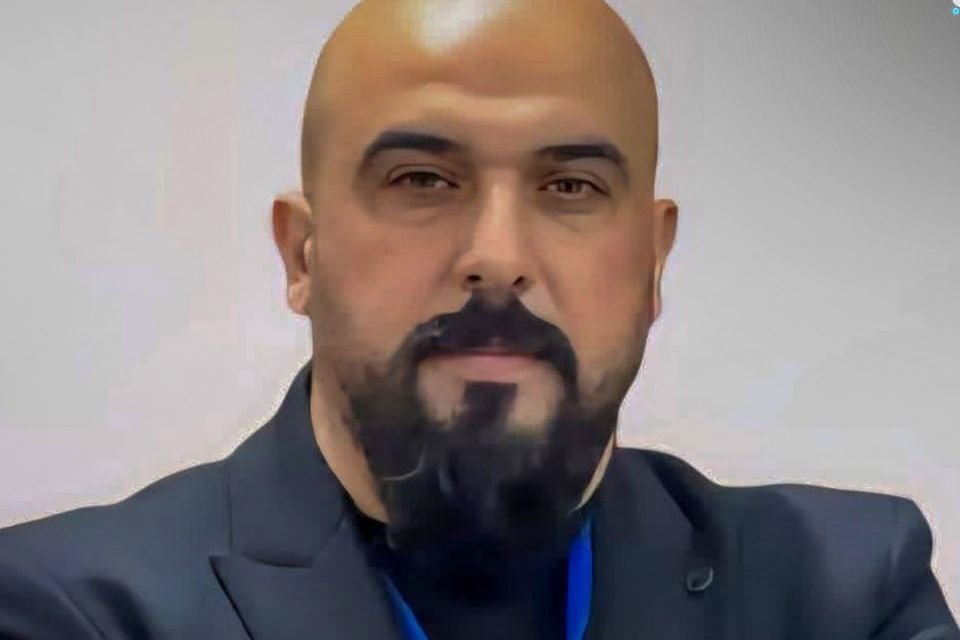
Writer Ammar Al-Amir’s literary journey is defined by a deep and dialectical relationship between the author and the landscape. In his texts, geography evolves into an active space—a central character that observes the profound transformations Syria has experienced over recent years. Al-Amir believes that Syrian cities, particularly Idlib, his birthplace and the site of his youth, carry a rich collective memory that must be shielded from oblivion.
Reflecting on his creative vision, Al-Amir asserts that Idlib is not merely a geographic location but an archive of the Syrian revolution and its humanitarian and social heritage. Through his short story collections, such as “The Angels’ Spy” and “Reader of Scars,” Al-Amir seeks to transform pain into literary texts. He aims to preserve stories and grant life a space to prevail, viewing the primary duty of literature as conveying the truth and bestowing human dimensions upon historical events that have left an indelible mark on public consciousness.
Regarding the diversity of his literary forms, Al-Amir explains that the “pulse of the idea” serves as the primary driver for selecting a medium. For him, the flash fiction piece is a lightning-like spark that requires high intensity, while the short story offers room for narrative and detail. Regarding children’s literature, Al-Amir notes that winning the Al-Tayeb Salih International Award in 2022 placed a dual responsibility upon him toward future generations. He strives to write in a pure language that rebuilds hope and renders dreams attainable despite harsh circumstances.
Al-Amir’s activity extends beyond creative literature into research on the intangible heritage of Idlib province. He believes that protecting this heritage begins with active documentation and the transmission of memory to future generations as an element of identity that shields cultural distinctiveness from extinction. This mission is reflected in various cultural initiatives he has contributed to, such as the “Ebla Literary Salon” and the “Khayzaran Cultural Forum,” both of which have worked to revitalize cultural life in Idlib through artistic and theatrical activities that touch the society’s conscience.
Addressing the current cultural landscape, Al-Amir emphasized the importance of cultural exchange between Syrian regions. He pointed to the success of the “Gate of the Sun” festival in Damascus as a model for fostering communication among Syrians and bridging distances. He advocated for supporting the publishing industry in Syria, establishing permanent funds to support young authors, and providing genuine platforms that allow them to convey their voices. He stressed that the cultural movement requires sustained institutional efforts to ensure the presence of Syrian creativity on both the local and Arab stages.
Al-Amir concludes that his membership in the Arab Writers Union represents the reclamation of a long-overdue professional right. He expresses hope that the union will contribute to embracing young talent and expanding spaces for cultural participation. For Al-Amir, writing remains the ultimate expression of human suffering, and freedom remains the fundamental axis upon which his literary vision is built in the face of present and future challenges.
Source: Syria Focus Arabic
