
Damascus Ajami Painting: An Ancient Craft Resisting Extinction
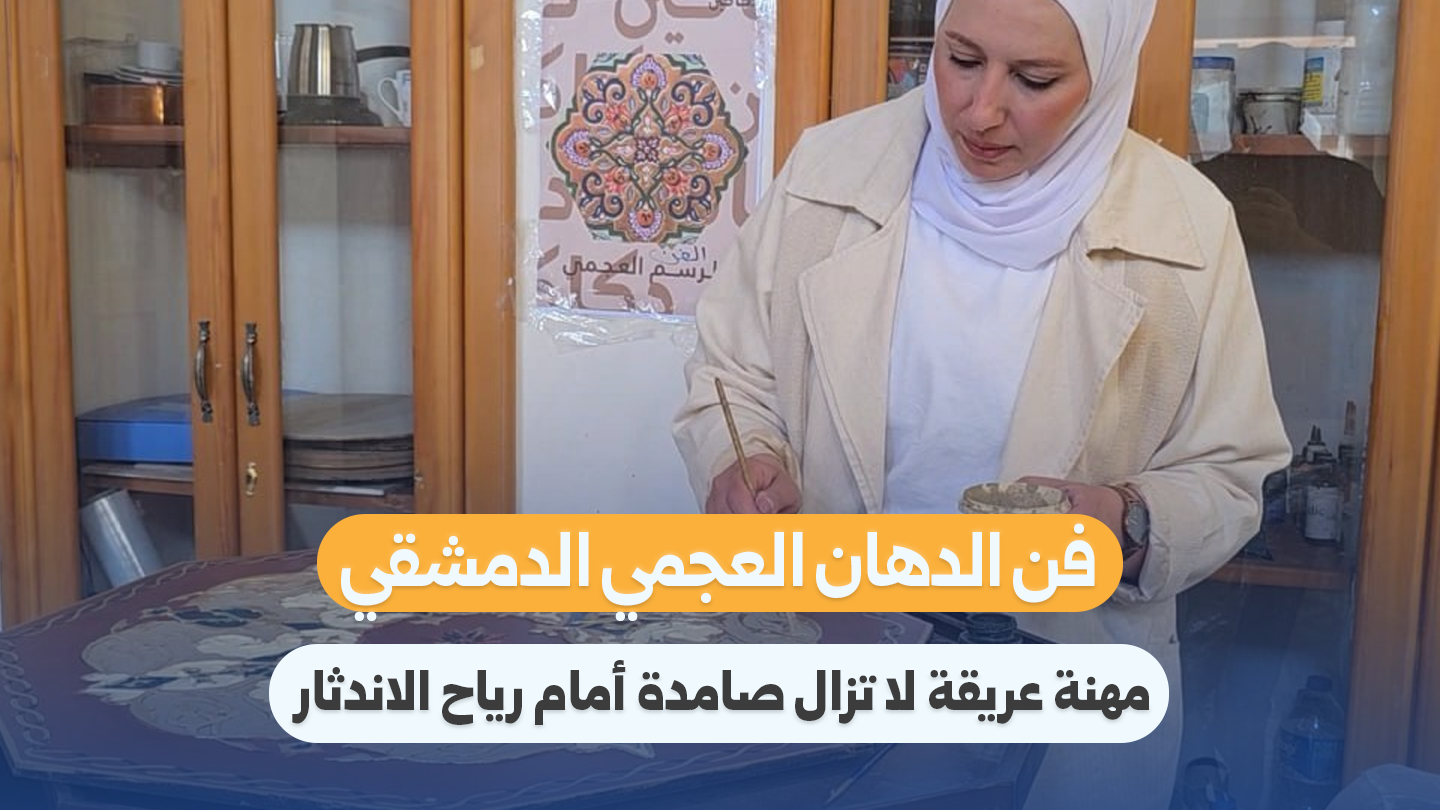
The centuries-old tradition of Ajami painting, a sophisticated decorative art form deeply rooted in the history of Damascus, remains a vital yet vulnerable element of Syria’s cultural identity. Known for its intricate patterns, vibrant use of gold leaf, and rich color palettes, this craft has long adorned the walls, ceilings, and domes of historical homes, religious sites, and public buildings throughout the Syrian capital.
Historically, the Ajami technique involves applying layers of gypsum, glue, and pigments—often highlighted with gold or silver leaf—to wood panels. The process is labor-intensive and requires a high degree of artistic precision, reflecting the architectural elegance that has defined Damascus for generations. Beyond its aesthetic appeal, Ajami painting serves as a historical document, preserving the artistic tastes and cultural narratives of various eras in Syria’s history.
Today, artisans practicing this craft face significant hurdles. The modernization of construction materials and shifting interior design trends have led to a decline in the demand for traditional hand-painted woodwork. Furthermore, the specialized knowledge required to maintain and restore these complex pieces is increasingly difficult to pass down to younger generations, as the apprenticeship model struggles to compete with contemporary professional paths.
Despite these challenges, there remains a dedicated effort by local craftsmen and cultural advocates in Damascus to preserve the craft. Many see the preservation of Ajami painting as an act of cultural resilience, ensuring that the visual heritage of Syria is not lost to the march of time. Efforts are currently focused on documenting traditional patterns, sourcing authentic materials, and promoting the value of these handcrafted pieces in heritage restoration projects.
For many in the industry, the survival of Ajami painting is tied directly to the broader preservation of the old city’s infrastructure and the recognition of its historical status. As architects and historians work to stabilize and restore various sites in Damascus, the role of master painters becomes increasingly crucial. By integrating these traditional arts into modern restoration practices, there is hope that the craft will continue to endure as a defining feature of the Syrian architectural landscape.
The future of this ancient trade depends heavily on institutional support and the continued appreciation of its craftsmanship. While the challenges of economic shifts and the scarcity of master practitioners are significant, the persistence of the Ajami style serves as a testament to the enduring nature of Syrian artistic expression. As long as the skill is valued as a pillar of national heritage, the artisans of Damascus will continue to work to protect the unique cultural legacy of their ancestors from the risk of permanent disappearance.
