
Aleppo’s Mosaic Heritage Faces Looming Threat of Extinction
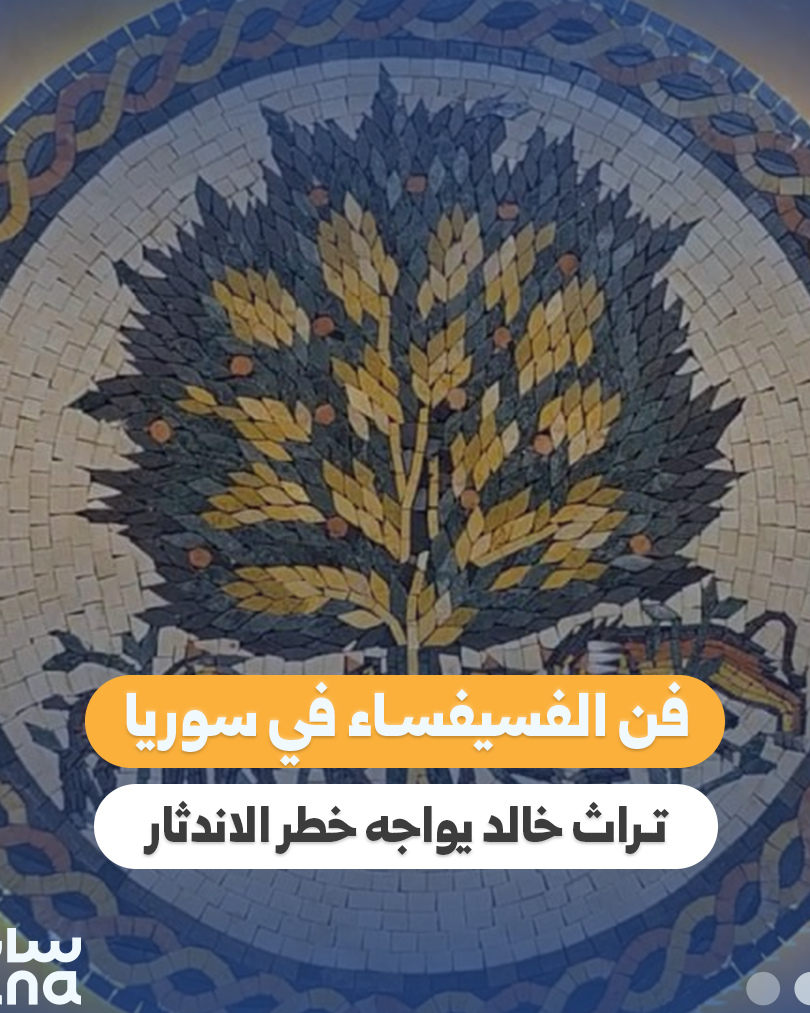
Aleppo, a city renowned for its profound historical significance and deep-rooted cultural heritage, is currently facing a critical challenge regarding one of its most distinct traditional art forms: the craft of mosaic. Known for its intricate designs and historical depth, the art of mosaic in Aleppo is now being described as a legacy in peril, struggling to survive against the pressures that threaten its continuity and long-term existence.
The craft, which has adorned the walls and floors of Aleppo’s ancient architecture for centuries, represents a unique intersection of artistic expression and historical narrative. For generations, local artisans have meticulously preserved the techniques required to assemble these complex stone compositions, which serve as a visual chronicle of the region’s diverse cultural influences and historical evolution. However, experts and observers are increasingly voicing concerns that this storied tradition is on the verge of fading from the city’s cultural landscape.
Several factors contribute to the precarious situation surrounding this artistic heritage. The degradation of traditional spaces that house these mosaics, combined with the loss of master artisans who hold the institutional knowledge of the craft, has created a void that is difficult to fill. Without a concerted effort to document, restore, and promote these traditional practices, there is a significant risk that the knowledge, skill, and physical manifestations of this art will be permanently lost to future generations.
The significance of Aleppo’s mosaics extends beyond mere aesthetics. They are an integral part of the city’s identity and a testament to the sophistication of its past. The potential disappearance of such a craft would represent a profound loss to the cultural fabric of Syria, marking the end of a tradition that has survived shifting eras and changing social climates. As the city continues to navigate the complexities of its modern development and post-conflict recovery, the preservation of its intangible and tangible heritage remains a pressing issue.
Efforts to safeguard this heritage typically require a combination of archival documentation, educational initiatives to train younger artisans, and the physical restoration of mosaic installations that have been damaged or neglected over time. The survival of Aleppo’s mosaic art is not merely a matter of preserving stone and tile; it is a vital component of protecting the historical continuity of the city. As concerns grow, the spotlight remains on whether the necessary support and resources can be mobilized to prevent this important aspect of Syrian history from slipping into obscurity. For now, the legacy of Aleppo’s mosaics serves as both a reminder of the city’s former glory and a poignant indicator of the challenges that remain in protecting its cultural identity.
