11 Pharmacies Closed in Raqqa for Professional and Regulatory Violations
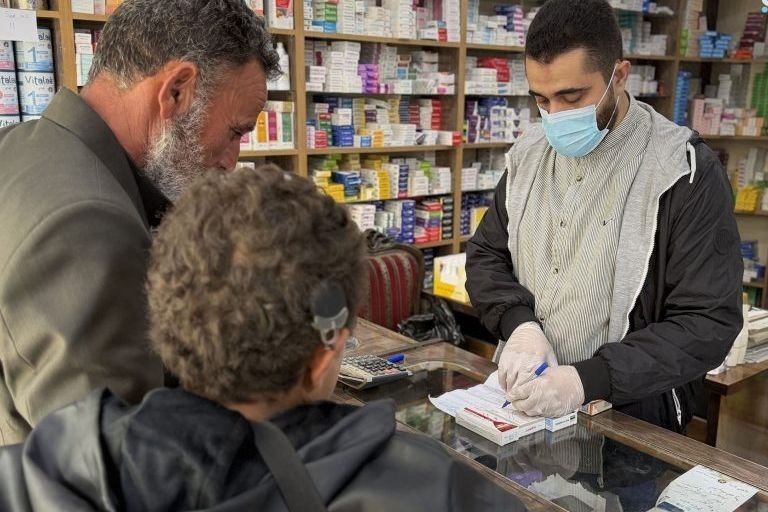
As part of ongoing efforts to regulate the health and pharmaceutical sector, the Raqqa Health Directorate, in coordination with the Pharmacists Syndicate and relevant authorities, has announced the closure of 11 pharmacies over the past three months. These regulatory measures are part of a continuous campaign to ensure that pharmacies adhere to professional laws, regulations, and public health standards.
Mohammad Al-Hammoud, head of the Pharmacists Syndicate branch in Raqqa, stated that the closures were either permanent or temporary, depending on the severity of the violations. He explained that permanent closures were issued for pharmacies operating without authorization or those managed by individuals unqualified to practice the profession. These permanent closures affected two pharmacies in Raqqa city, one in Maadan, one in Tabqa, and one in Mansoura.
Temporary closures, ranging from 15 days to one month, were imposed on pharmacies that committed professional violations. These included the unauthorized sale of restricted medications—such as psychotropic drugs and certain painkillers—without a medical prescription, failure to maintain the required logs for recording such medications, and the absence of the designated pharmacist during official working hours without authorized leave. This type of regulatory action affected four pharmacies in Maadan, one in Tabqa, and two in Mansoura.
In related developments, Al-Hammoud noted that some pharmacists had submitted appeals to the syndicate, citing a lack of familiarity with specific regulations or a shortage of the required medication logs as reasons for their non-compliance. These pharmacists have pledged to rectify their status and strictly adhere to professional guidelines moving forward.
Regarding the broader pharmaceutical market, Al-Hammoud emphasized the necessity for pharmacies to source medications exclusively from authorized warehouses. There are approximately 42 licensed warehouses in the governorate, which procure medicines from certified Syrian manufacturers subject to the oversight of the Ministry of Health. He further confirmed that retail pricing is strictly based on official lists issued by the ministry, clarifying that any perceived price discrepancies between pharmacies are typically due to differences in the number of units contained within a specific package.
The Health Directorate and the Pharmacists Syndicate have affirmed that inspection rounds will continue across all areas of the governorate. These efforts aim to stabilize the market and ensure that pharmacies comply with official operating hours, set pricing, and proper documentation of restricted medicines. This commitment is intended to protect public safety and guarantee that citizens have access to safe, licensed pharmaceutical products, with monitoring committees established in health districts to maintain oversight and strengthen professional compliance.
Source: Syria Focus Arabic
