
Syria Consolidates State Authority Amid Regional Security Shift
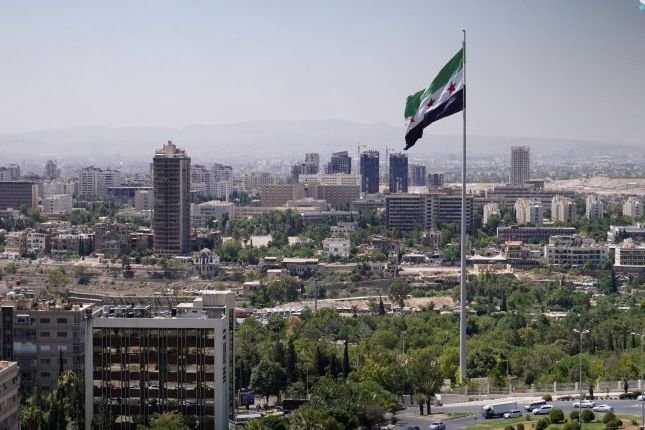
Syria is undergoing a fundamental transformation in its security architecture, moving away from a landscape of fragmented, non-state armed entities toward a centralized model that prioritizes the state’s monopoly on the use of force. This strategic shift, aimed at institutionalizing military and security decision-making, is increasingly viewed by Damascus as a prerequisite for national stability and long-term sovereignty.
The transition began in earnest following the dissolution of the previous regime. On December 24, 2024, a pivotal meeting between the leadership of the new Syrian administration, represented by Ahmed Al-Sharaa, and various revolutionary faction leaders resulted in a comprehensive agreement to dissolve independent armed groups. By January 6, 2025, the Ministry of Defense initiated formal sessions to integrate these forces into the national military structure, establishing a unified roadmap for organizational stability.
A central component of this integration process involves the incorporation of the Syrian Democratic Forces (SDF). Building upon an initial agreement reached between President Al-Sharaa and Mazloum Abdi on March 10, 2025, the process focuses on merging civilian and military institutions in northeastern Syria—including border crossings, airports, and energy infrastructure—under the purview of the Syrian state. Subsequent executive understandings finalized on January 29, 2026, have accelerated the integration of SDF security personnel into the Ministries of Defense and Interior. Recent high-level meetings, including discussions between President Al-Sharaa and regional leaders such as Nechirvan Barzani, underscore the focus on building a unified, stable Syria that protects the rights of all its components.
This domestic consolidation coincides with a significant recalibration of Syria’s foreign policy. During an August visit to Turkey, Foreign Minister Asad Al-Shibani emphasized that the region is moving toward a single standard of stability based on the elimination of non-state armed actors. Damascus is actively coordinating with counterparts in Iraq and Lebanon, both of which are pursuing similar policies to assert state authority and prevent their respective territories from becoming theaters for regional conflict.
These shifts have been met with international attention, particularly regarding Damascus’s evolving relationship with Washington. Following a meeting in Ankara, U.S. President Donald Trump praised the stabilization efforts led by President Al-Sharaa, announcing steps to remove Syria’s designation as a state sponsor of terrorism to facilitate economic and security cooperation. Furthermore, the Global Coalition to Defeat ISIS has welcomed the integration of forces within the Syrian state, recognizing the government’s renewed capacity to lead national counter-terrorism operations.
Despite facing external pressures and isolated military incursions, including attacks on sovereign institutions in Damascus during 2025, the administration has remained committed to diplomatic channels. By prioritizing state-led security and fostering regional stability, Syria is attempting to redefine its role from a regional node of insecurity to a partner in peace. The current objective remains clear: to ensure that the monopoly on the use of force resides exclusively with the state, thereby securing a stable future for the country and its borders.
