
Yellow Eye Spots May Signal Heart and Stroke Risks
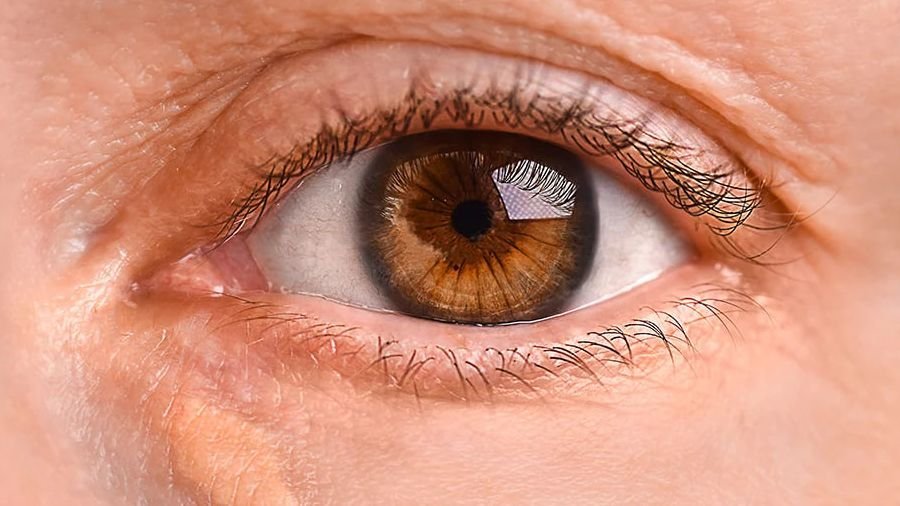
Recent scientific research conducted at Stanford University has identified a potential link between the presence of yellow spots or bumps around the eyes—a condition medically known as xanthelasma—and an increased risk of heart attacks, strokes, and other cardiovascular diseases.
According to findings reported by the scientific website ScienceAlert, the study analyzed health data from 17,925 individuals suffering from xanthelasma. Researchers compared this group with a control group of the same size consisting of individuals who did not have the condition to evaluate the connection between these skin markers and the development of cardiovascular and cerebrovascular diseases.
Statistical results revealed that approximately one percent of individuals with xanthelasma experienced a heart attack within the first year of monitoring. This figure is significantly higher than the 0.35 percent recorded in the control group. Similarly, data indicated that the incidence of stroke reached 0.95 percent among those with xanthelasma, compared to 0.3 percent in the control group. Cases of transient ischemic attacks, often referred to as “mini-strokes,” also rose to 0.6 percent for those with the condition, compared to 0.19 percent in the control group.
While researchers observed a relative decrease in the gap between the two groups over time, the risk of developing these conditions remained higher for individuals with xanthelasma, even after five and ten years of health monitoring.
The study highlighted a critical finding: the elevated risk of these diseases appeared in patients with xanthelasma regardless of whether they suffered from lipid disorders in the blood. This suggests that lipid imbalance is not the sole factor responsible for this clinical association.
Researchers emphasized that xanthelasma itself does not cause heart attacks or strokes. Instead, its appearance acts as a medical marker that should prompt doctors and patients to look for other cardiovascular risk factors, particularly those that may be undiagnosed or poorly managed. The study authors noted that most patients seek dermatological care for purely cosmetic reasons, stressing the importance of using this opportunity to conduct a comprehensive assessment of cardiovascular risk factors. This includes checking blood pressure, blood lipid levels, and screening for underlying health issues to ensure timely preventative intervention.
Xanthelasma appears clinically as pale yellow spots or bumps around the eyelids. It is caused by the accumulation of fatty deposits and cholesterol within certain immune cells and is often associated with high blood cholesterol levels in some patients.
