
Syrian Artisan Revitalizes Traditional Woodcraft in Latakia
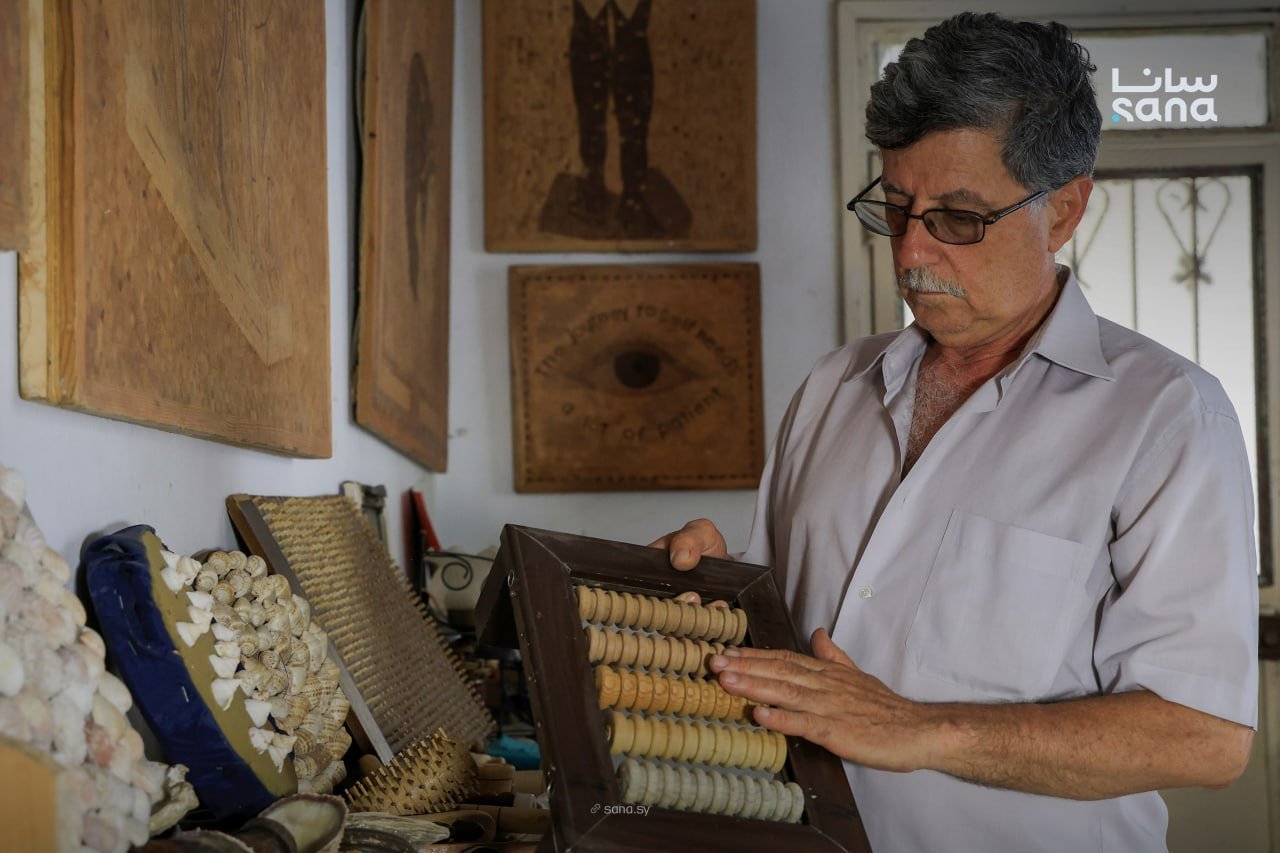
In the coastal city of Latakia, the workshop of Raouf Bitar has become a beacon for the preservation of Syrian heritage. By transforming raw timber into pieces that balance aesthetic beauty with modern functionality, Bitar is bridging the gap between centuries-old craftsmanship and the demands of today’s market. His work highlights a broader movement among Syrian artisans who are striving to keep the country’s ancestral trades alive despite the economic challenges that have gripped the nation for over a decade.
Bitar’s approach is defined by a meticulous attention to detail and a commitment to technical precision. Rather than abandoning traditional motifs in favor of mass-produced alternatives, he integrates historical Syrian woodworking aesthetics into items suitable for contemporary living spaces. This synthesis ensures that his products remain relevant and useful, allowing the craft to survive not merely as a museum piece, but as a living, evolving industry.
For many artisans in Latakia and across the Syrian coast, the challenge lies in sourcing high-quality materials and reaching beyond local markets. Bitar’s success demonstrates that there remains a strong appetite for artisanal work that carries a distinct cultural identity. His workshop functions as both a creative hub and a training ground, where the technical skills passed down through generations are refined and applied with a modern sensibility.
Beyond the artistry, the survival of these traditional trades is a matter of cultural endurance. Syria has long been renowned for its craftsmanship—from intricate mother-of-pearl inlay to fine joinery—which has historically served as a cornerstone of the regional economy. The efforts of individuals like Bitar underscore the resilience of Syrian society, demonstrating a steadfast commitment to maintaining artistic standards even in periods of prolonged instability.
Observers of the local economy point out that the professionalization of such crafts is vital for the future. By maintaining a high standard of quality, Syrian artisans are better positioned to compete with imported, factory-made goods. This focus on craftsmanship not only supports the livelihood of the artisan but also contributes to the restoration of the local supply chain, reinforcing a sense of national pride and economic self-sufficiency.
As Bitar continues his work in Latakia, he serves as an example of how traditional skill sets can be adapted for the modern era. His ability to fuse form and function proves that heritage is not static, but rather a dynamic resource that can be leveraged to create enduring value. For the region, the persistence of such dedicated master craftsmen remains essential in protecting the authentic identity of Syrian industry against the backdrop of an increasingly globalized and industrialized market.
