
New Water Pipeline Project Launched in Syria’s Al-Sheikh Maskin
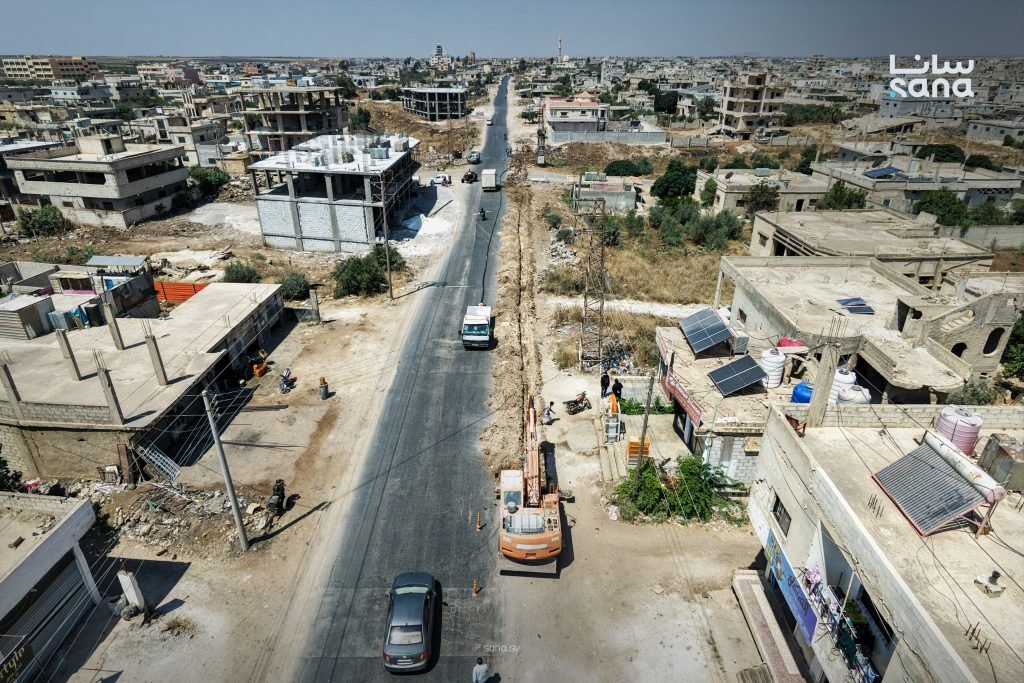
Work has officially commenced on a critical water infrastructure project in the city of Al-Sheikh Maskin, located in the countryside of the southern Syrian governorate of Daraa. The initiative aims to alleviate ongoing water supply challenges and improve the reliability of essential services for residents in the city’s western district.
Managed by the local water authority, the project involves the installation of a new 2,500-meter pipeline with a diameter of 110 millimeters. The pipeline is designed to transport water from the city’s industrial zone to the residential western sector, directly addressing concerns regarding inconsistent supply and infrastructure deficits that have historically hindered the area’s utilities.
According to Ali Al-Kurdi, head of the local water unit, the project is being executed using durable polyethylene piping. A notable aspect of this infrastructure effort is the collaboration between government bodies and the local community. While the municipal water department is providing the technical expertise and manpower for the installation, the local community has taken a lead role in securing and providing the necessary construction materials. This public-private cooperation model is becoming an increasingly vital mechanism for addressing urgent service gaps in the region.
The installation process presents logistical challenges, as the designated route for the new pipeline passes through several densely populated residential neighborhoods and the city’s central roundabout. Engineers and construction crews are currently implementing specific safety and operational protocols to navigate these urban obstacles, ensuring the pipeline is laid correctly without causing significant disruption to existing road networks or residential structures.
This initiative is part of a broader, sustained effort by the General Establishment for Drinking Water and Sanitation in the Daraa governorate. As authorities continue to work toward rehabilitating water systems across various districts in the south, these smaller-scale projects serve as essential components in the overall effort to restore basic municipal services. By increasing the volume of water supply and stabilizing the pressure within the network, the project is expected to provide a long-term improvement in living standards for the residents of Al-Sheikh Maskin.
While infrastructure rehabilitation in Syria often faces constraints related to resource availability and technical capacity, the focus on leveraging local support alongside institutional oversight marks a shift toward more sustainable community-driven service management. As the project nears completion, it stands as a key measure to enhance the resilience of the local water network against the increasing demands of the population in rural Daraa.
