Lebanon and Syria Move to Strengthen Bilateral Economic Cooperation
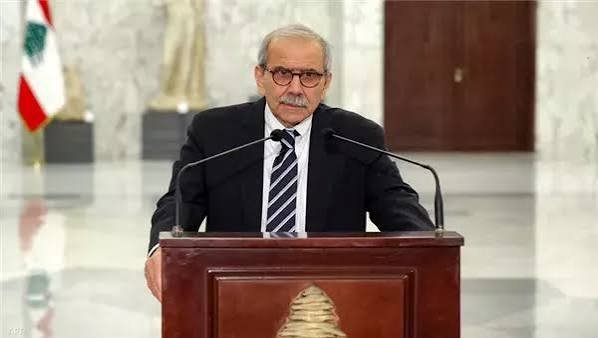
Lebanese Prime Minister Najib Mikati has underscored the urgent necessity of revitalizing the Lebanese-Syrian Business Council to serve as a primary engine for cross-border commercial engagement. During a high-level meeting in Beirut, the Prime Minister advocated for a strategic framework that facilitates trade, encourages joint investment ventures, and removes lingering technical and logistical barriers affecting Lebanese exports and regional transit.
The discussions, held at the Grand Serail, included key figures from the private sector, notably the President of the Economic Committees, Mohamed Choucair, and the President of the Lebanese-Syrian Business Council, Khalil Al-Arab. They were accompanied by a delegation from the council and joined by the Lebanese Minister of Economy and Trade, Amer Bassat. The dialogue centered on the practical steps required to bridge the gap between policy goals and commercial reality.
A central component of the discussions involved the potential for synergy in the energy and transportation sectors. Prime Minister Mikati noted that deepening cooperation in these fields would not only provide a critical boost to the private sector but would also yield tangible economic benefits for both nations. By optimizing energy resources and streamlining transport corridors, both governments aim to create a more integrated economic environment capable of fostering regional growth.
During the briefing, the Lebanese-Syrian Business Council submitted a detailed proposal to the Prime Minister outlining a series of priority actions intended to jumpstart the bilateral economic agenda. The recommendations focus on clearing bureaucratic hurdles that currently hinder the fluid movement of goods and capital. These measures are viewed as vital for shifting the current partnership from a state of stagnation toward active, growth-oriented cooperation.
This initiative follows a recent, broader series of meetings in Beirut, where the business council evaluated the outcomes of a formal visit by a Lebanese economic delegation to Damascus. Following that visit, stakeholders expressed a shared commitment to implementing actionable steps to expand market access and investment security. The emphasis remains on leveraging the geographic and economic interdependence of the two countries to mitigate the impact of regional volatility on their respective private sectors.
For Lebanon, which continues to navigate a complex domestic economic recovery, the restoration of robust trade routes through Syria—a vital gateway for its land-based exports to the broader Arab market—is considered a strategic priority. The ongoing dialogue represents an attempt to formalize these economic ties, ensuring that the private sector is well-positioned to capitalize on any future stabilization in regional transit and supply chains. As both governments continue to refine their approach, the focus remains on long-term institutional cooperation that can withstand political fluctuations, thereby providing a more predictable landscape for businesses operating on both sides of the border.
