
Homs Business Forum Highlights Investment Opportunities and New Platform
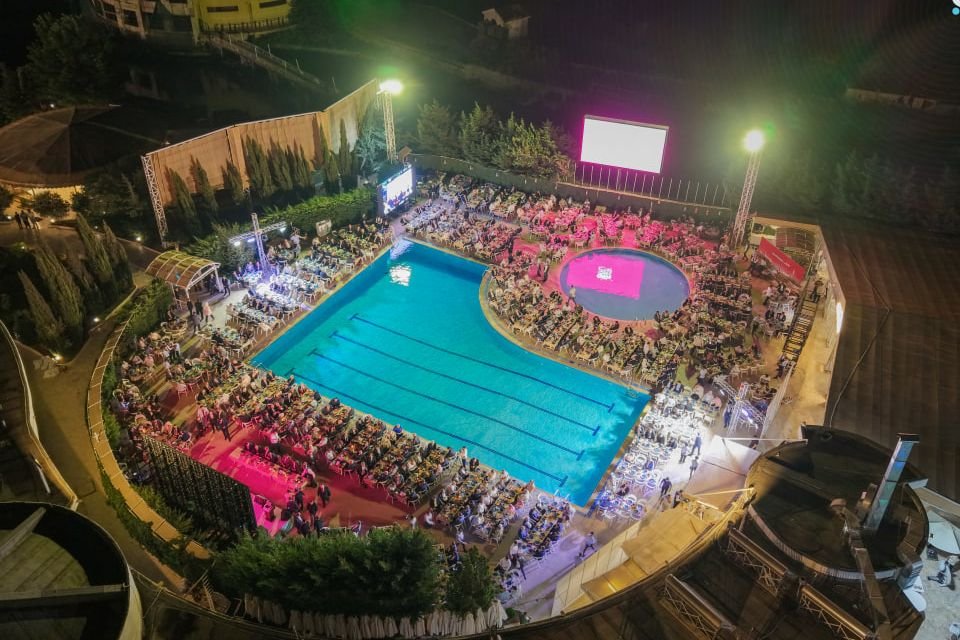
The first Business Forum in Homs recently convened a diverse group of investors, business leaders, and economic stakeholders to evaluate the province’s investment landscape. The event served as a collaborative platform for dialogue on the economic and geographic advantages of the region, aiming to refine the investment climate and address existing procedural obstacles that have previously hindered project development.
Central to the discussions was the launch of a unified digital platform designed to serve as a comprehensive resource for potential investors. Participants at the forum emphasized that centralizing investment data will significantly improve transparency and efficiency. By providing a single point of access to detailed project information and feasibility studies, the platform is expected to save investors time and effort during the initial research and planning stages. Many attendees noted that such digital transformation is a vital step toward creating a more accessible and professional environment for both local and foreign capital.
Real estate and urban development emerged as key areas of interest during the forum. Discussions highlighted the potential for large-scale construction, including multi-story residential developments and the reconstruction of buildings in districts such as Al-Wa’er. Investors underscored that while the demand for infrastructure is high, streamlining the bureaucratic process for obtaining construction permits remains a critical requirement for accelerating these projects. Regional representatives indicated that direct coordination with investment offices in Homs is currently the most effective way to navigate these regulatory requirements.
Energy and technology were also prominent themes. Entrepreneurs exploring the renewable energy sector expressed optimism about the forum as a venue for connecting with relevant government authorities and understanding the current legal frameworks. However, participants also identified remaining structural challenges, specifically regarding the high costs and complexities associated with international fund transfers, which continue to act as a bottleneck for project initiation.
During the proceedings, the investment authority presented a portfolio of 124 distinct projects, complete with economic feasibility studies. This move was intended to provide concrete opportunities for those looking to engage in the Homs market. Industry experts remarked that the transition from fragmented information to a cohesive, digitized investment map represents a significant shift in how the province engages with the private sector.
Looking ahead, the success of these initiatives will likely depend on the further development of the database and its ability to reach the Syrian diaspora. Several investors suggested that reinforcing these communication channels—possibly through dedicated economic representatives at diplomatic missions—would further bridge the gap between regional potential and international interest. The forum concluded with a general consensus that while hurdles remain, particularly in administrative and financial procedures, the commitment to institutionalizing transparency and simplifying bureaucratic access is a positive development for Homs’s local economic recovery and long-term industrial and service sector growth.
