
Documents Reveal Mechanisms of Former Syrian Chemical Program
Nidal Shikhani, director of the Chemical Violations Documentation Center in Syria (CWCVS), has announced the delivery of a significant collection of documents to the Organization for the Prohibition of Chemical Weapons (OPCW). The archive, comprising approximately 100,000 documents, provides comprehensive details regarding the operational mechanisms of the country’s former chemical weapons program.
The files contain extensive technical and logistical information, including procedures for manufacturing, storage, and transport. Furthermore, the documents identify the roles of personnel within research centers and educational institutions associated with the program, as well as those responsible for issuing orders regarding the use of chemical weapons.
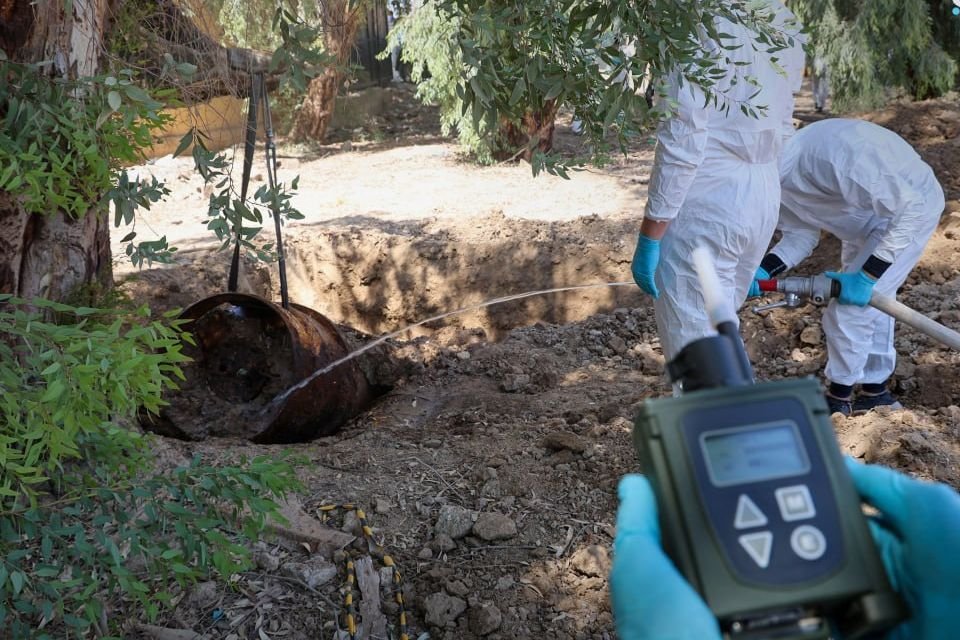
In his statement, Shikhani noted that close collaboration with the OPCW has led to the discovery of previously undisclosed chemical facilities. Investigators have also recovered raw materials, weapon remnants, missile warheads, and specialized equipment used for manufacturing and storage. Shikhani confirmed that the center has provided the OPCW’s Fact-Finding Mission and the Investigation and Identification Team (IIT) with requested lists of eyewitnesses. He also noted that OPCW Director Sabrina Dalafior commended the Syrian government’s cooperation regarding the chemical file and its legacy. Shikhani emphasized that granting international inspection teams access to these sites is a vital step toward uncovering the truth and advancing justice.
The CWCVS records indicate that more than 135 chemical attacks have occurred in Syria, all of which are currently documented and under investigation by the OPCW’s fact-finding mechanisms. Shikhani stated that the center is working with the organization this month to investigate a past chemical attack that took place in Damascus. According to the center’s data, these attacks have resulted in more than 3,234 deaths and over 14,000 injuries, with survivors suffering from long-term health consequences, including birth defects and neurological complications.
Shikhani outlined a timeline of attacks, beginning with the incident in Khan al-Assal, west of Aleppo, in 2012, and continuing through the shelling of Tall al-Kabina in the Latakia countryside in 2019. The center has documented the use of sarin gas in several locations, including Eastern Ghouta, Khan Shaykhun, and al-Lataminah, as well as the use of mustard gas in attacks in Marea and Umm Hawsh, which were attributed to the Islamic State (ISIS).
The documentation also highlights efforts to circumvent international regulations through the establishment of shell companies to import raw materials. Shikhani stressed that these crimes are not subject to a statute of limitations. The center has conducted over 65 projects focused on documenting attacks, collecting samples, and submitting them to specialized laboratories in The Hague. In July, Syria regained its full rights and privileges within the OPCW, a development reflecting progress in the cooperation between the Syrian government and the organization’s Technical Secretariat.
Source: Syria Focus Arabic
