
Bab al-Salameh Crossing Sees Surge in Traffic Over Eight Months
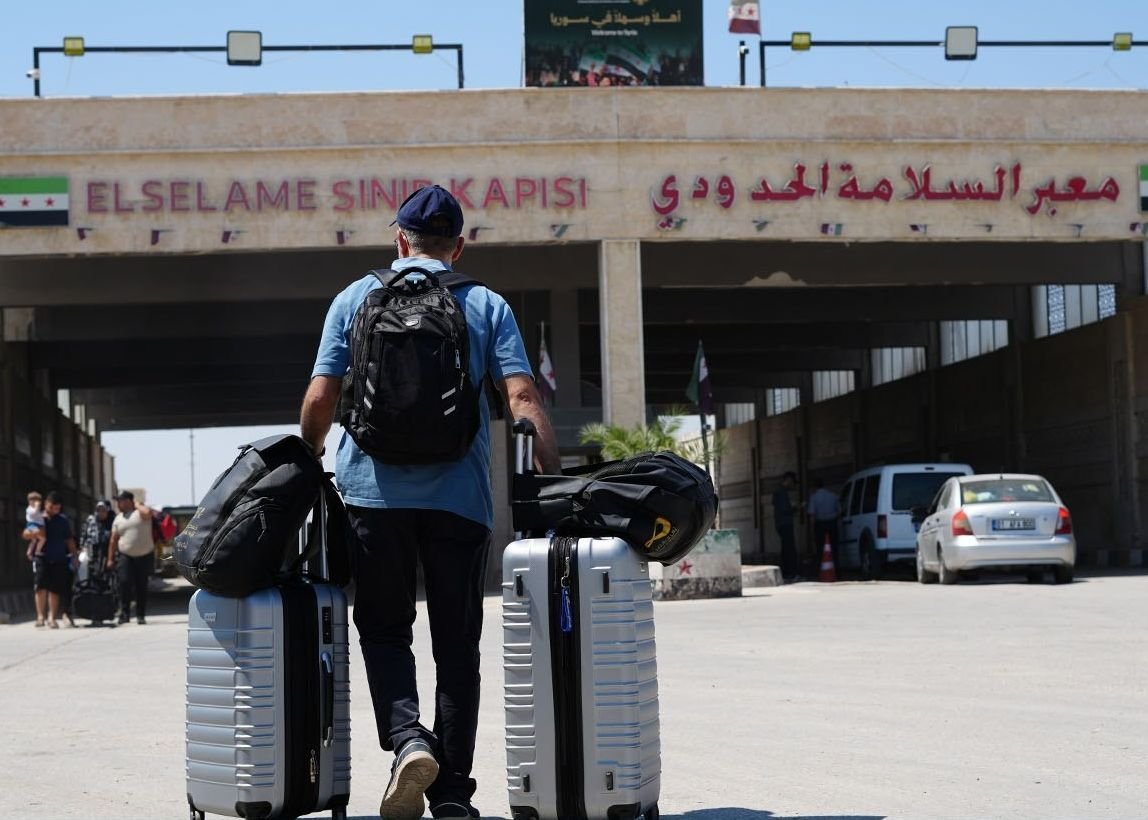
The Bab al-Salameh border crossing with Turkey has experienced a notable increase in trade and passenger movement during the first eight months of the current year. This rise in activity aligns with efforts by the General Authority for Ports and Customs to streamline transit procedures and enhance customs operations.
According to official data released by the Authority, a total of 46,480 commercial trucks crossed the border in both directions between the beginning of the year and the end of August. These vehicles transported more than 1,077,000 tons of various goods. These figures underscore the strategic importance of the crossing in facilitating trade between Syria and Turkey, as well as its role in supporting transit logistics for shipments heading to various destinations via Syrian territory.
Passenger movement also remained high during the same period, with more than 1,233,000 travelers recorded crossing in both directions. The facility also facilitated voluntary returns, processing more than 73,000 Syrian citizens who chose to return to their country during this eight-month window.
These performance metrics follow a series of regulatory adjustments implemented by the General Authority for Ports and Customs. These measures have focused on simplifying customs procedures and removing obstacles for both commercial transport and individual travelers, with the ultimate objective of increasing operational efficiency and ensuring faster service delivery.
As part of a comprehensive strategy to bolster the crossing’s role as a vital gateway, the Authority is currently executing a wide-ranging development project. This initiative focuses on modernizing the crossing’s infrastructure, service facilities, and operational systems. The project aims to increase the capacity of the crossing and upgrade technical mechanisms, ensuring the sustainable flow of goods and people. These efforts are part of a broader push by Syrian institutions to upgrade border crossings, support the national economy, and facilitate the movement of trade and logistics.
