
Aleppo Artisan Preserves Syrian Heritage Through Traditional Crafts
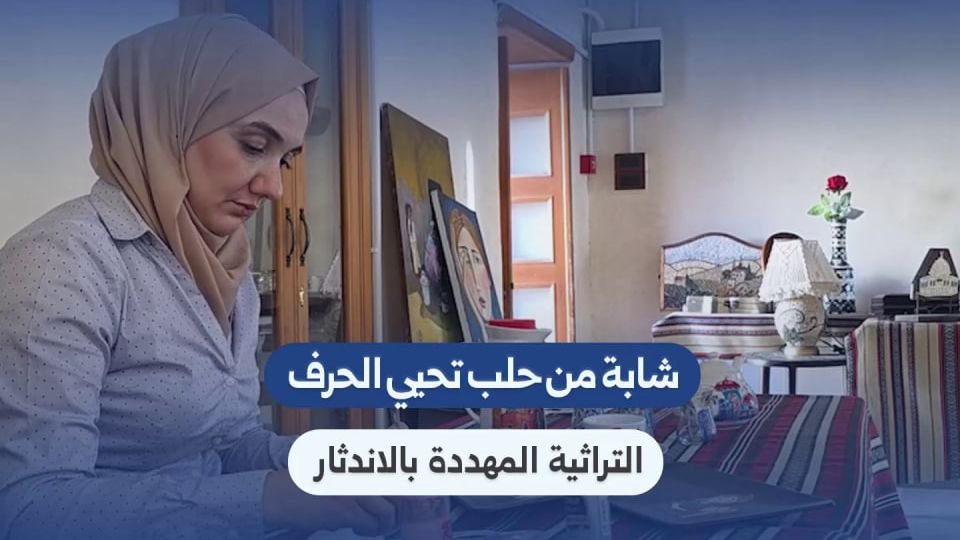
In the historic city of Aleppo, a young local artist is spearheading an effort to revitalize traditional Syrian craftsmanship. By mastering and promoting the intricate arts of wool felting and glass painting, she aims to safeguard indigenous techniques that have long been a hallmark of Syrian cultural identity.
For many, these crafts began as a personal hobby, but they have evolved into a broader mission to protect the nation’s intangible heritage. The practice of wool felting, an ancient textile technique, requires patience and precision to transform raw fibers into durable and often decorative items. Similarly, traditional glass painting in Syria involves unique stylistic elements that reflect the region’s artistic history. By keeping these practices alive, the artist is helping to ensure that the skills passed down through generations are not lost to modernization or the challenges of recent years.
Aleppo, a city renowned for its deep historical roots and long-standing reputation as a center for trade and craftsmanship, provides a fitting backdrop for this revival. The initiative highlights a growing trend among Syrian youth to engage with their cultural past as a form of social and artistic expression. These traditional industries were once vibrant sectors of the local economy and served as essential elements of Syrian social life, bridging the gap between historical legacy and contemporary relevance.
Beyond the aesthetic value of the finished products, the work serves as a reminder of the resilience of Syrian heritage. The process of creating these items is increasingly being viewed as a cultural message, signaling a commitment to maintaining national identity through artisanal production. As the artist continues to refine her skills, she joins a cohort of individuals across the country working to document, practice, and teach the crafts that define their local communities.
While these initiatives remain largely at the grassroots level, they represent a significant effort to stabilize and promote the traditional arts. By focusing on materials and techniques that have defined Syrian craftsmanship for centuries, this project offers a glimpse into the ongoing cultural preservation efforts currently taking place within Aleppo. The continued support for such endeavors is seen as vital for the transmission of these specialized skills to the next generation, ensuring that the legacy of Syrian artisans remains a central part of the city’s future. The effort underscores the importance of local heritage in providing a sense of continuity and stability during periods of transformation.
