
Raqqa Technical Services Increases Readiness Amid Euphrates Rise
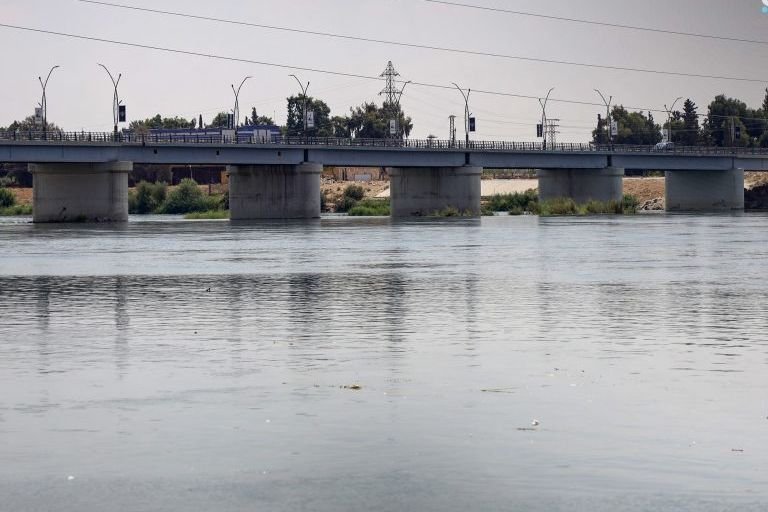
The Technical Services Directorate in Raqqa Governorate has elevated its technical readiness and implemented a series of precautionary measures in response to a rise in the water level of the Euphrates River. The move follows recent warnings from the Ministry of Energy, prompting local authorities to prioritize the security of critical infrastructure, including water pumping stations, public roads, and essential facilities situated along the riverbank.
Engineer Ahmed Al-Abou, Director of the Machinery Department at the Technical Services Directorate, confirmed that the department has placed its heavy engineering equipment and technical personnel on high alert. To ensure a rapid response to any emerging incidents, the directorate has established a 24-hour shift rotation, enabling the continuous monitoring of field developments and the immediate deployment of machinery to areas most at risk of flooding or erosion.
The comprehensive readiness plan includes the implementation of urgent protective measures, such as the backfilling of earthen canals and the rehabilitation of key road networks. Clearing debris and accumulated soil from critical pathways is a central component of these efforts, which aim to safeguard vital regions and ensure that supply routes remain accessible despite the changing hydrological conditions.
As part of these precautionary steps, the directorate has deployed four dump trucks and two bulldozers to the vicinity of the Hamra Blasem water station. This intervention is designed to reinforce the primary access road leading to the station, raising its elevation to ensure that personnel and equipment can continue to reach the site during potential flooding. According to Bassam Bashir Al-Hazbar, head of the Karama Water Unit, the Hamra Blasem facility is situated at a lower elevation compared to other installations in the region. The station serves as a critical utility, providing water to more than 1,200 subscribers on a continuous basis, and the ongoing stabilization work is deemed essential to protect the facility’s operations throughout the summer season.
Regional data highlights the impact of such fluctuations on local infrastructure. Earlier this year, in May, the province recorded a water inflow of approximately 2,000 cubic meters per second, a volume that caused significant strain on the irrigation and water network. At that time, 15 of the governorate’s 86 water stations were affected by flooding, requiring emergency equipment evacuations and the construction of protective earthen barriers. Several stations, including Al-Maghla, faced temporary service interruptions.
Officials indicated that the current water inflow is holding at approximately 1,200 cubic meters per second. This lower volume suggests that, while proactive measures are necessary, the risk of severe damage is currently lower than that experienced during the spring surge. The Technical Services Directorate continues to maintain its heightened state of alert to manage the situation and ensure the stability of essential services for residents in the Raqqa area.
