
Preserving Heritage: The Traditional Craft of Ghee and Kishk in Daraa
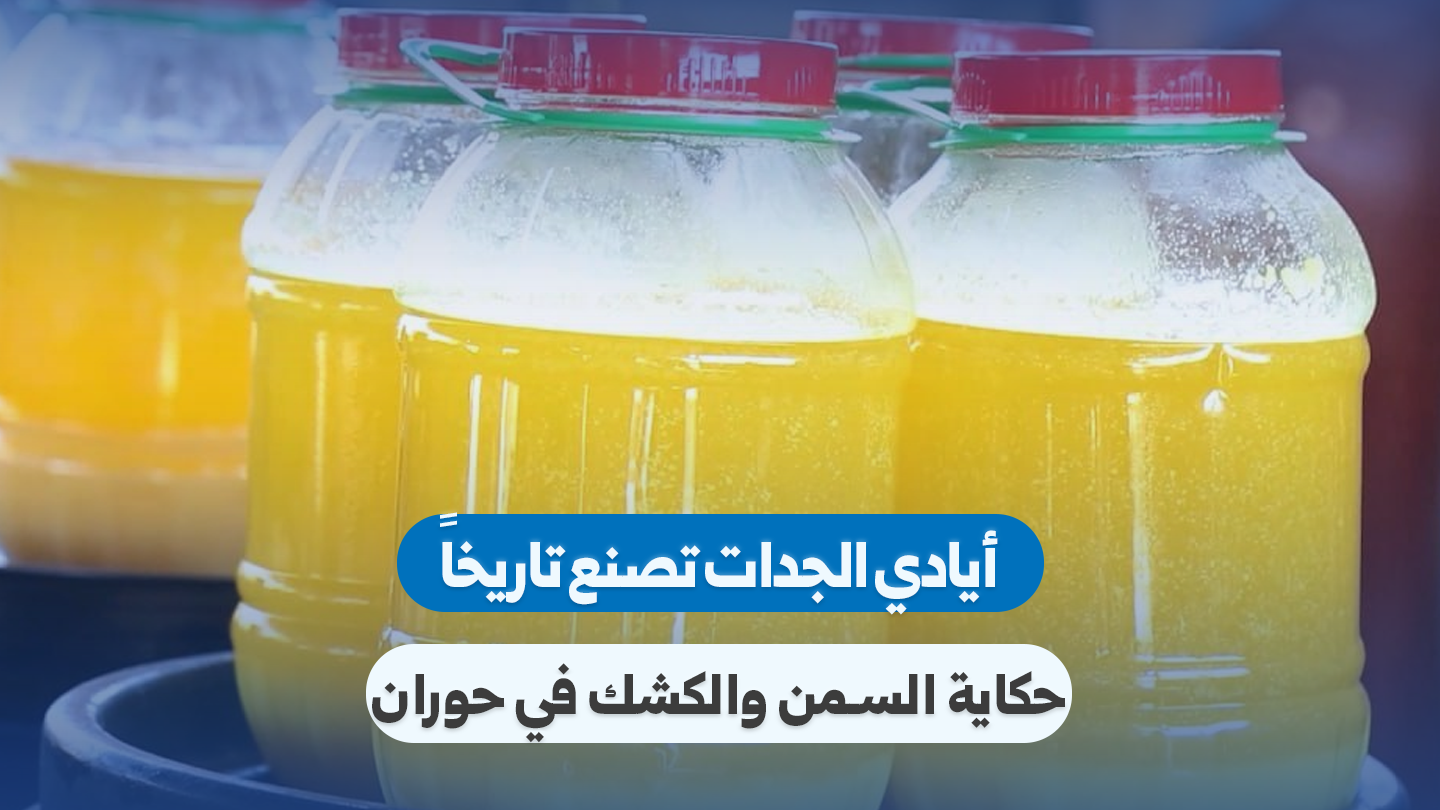
The Hauran region of southern Syria remains a bastion of traditional food production, where the hands of local women continue to craft historical culinary staples. Among the most enduring of these practices is the preparation of ghee (samn) and kishk—a dried dairy and wheat product—which serve as essential components of the region’s cultural and gastronomic identity.
For generations, the production of these items has been more than a mere culinary task; it is a manifestation of heritage that binds the rural communities of Daraa to their land. The process, typically performed by the elderly women of the community, involves meticulous techniques passed down through lineages. The labor-intensive nature of creating high-quality ghee and authentic sun-dried kishk ensures that these products retain a unique flavor profile that distinguishes them from industrial alternatives.
In the villages across the Hauran plains, the preparation of kishk begins with the fermentation of bulgur wheat with yogurt, a method that reflects the agricultural history of the region. Once fermented, the mixture is dried under the intense Syrian sun, a process that requires patience and expertise to achieve the desired texture and longevity. Similarly, the extraction of pure ghee requires careful monitoring to ensure the preservation of its traditional qualities.
These practices face the challenges of modernization and shifting economic landscapes, yet they persist as a vital part of the social fabric. For many in Daraa, the continued production of these goods acts as a form of cultural preservation, ensuring that the skills and traditions of their ancestors remain vibrant in a rapidly changing world. The local appreciation for these crafts remains strong, as the handmade nature of the products is often preferred for its authenticity and nutritional value.
By maintaining these traditional methods, families in Hauran not only secure a staple source of food but also uphold a communal identity. The dedication to these crafts highlights the deep connection between the people of southern Syria and their ancestral food systems, serving as a reminder of the historical significance of the region’s agricultural and culinary contributions to the country as a whole. As the artisans continue their work, they protect a legacy that defines the daily life and seasonal cycles of the Hauran region, safeguarding a heritage that continues to be handed down through the generations.
