
Understanding Syria’s New Electricity Billing and Appeal Process
Since the implementation of a new electricity tariff structure in Syria at the beginning of November 2025, the mechanism for calculating household consumption has undergone significant changes. The updated system relies on price brackets tied to usage levels measured over a two-month billing cycle, representing a shift in how energy costs are distributed among subscribers.
Under the regulations issued by the Ministry of Energy on October 30, 2025, consumption is divided into two primary brackets. The first 300 kilowatt-hours consumed during the two-month cycle are billed at a rate of 600 Syrian pounds per kilowatt-hour. For consumption exceeding this 300-kilowatt-hour threshold, the tariff increases to 1,400 Syrian pounds per unit. The transparency of this process is designed to rest on three pillars: accurate meter readings, clear tariff disclosure, and a defined mechanism for citizens to challenge their bills.
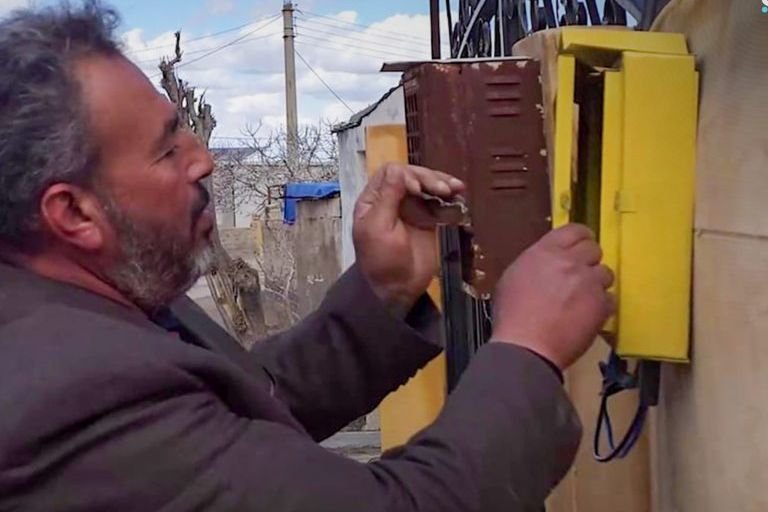
Accurate meter readings remain the fundamental factor in determining the final invoice amount, as the consumption is calculated based on the difference between current and previous readings. However, challenges may arise in instances where access to the meter is restricted or manual verification is delayed. To address this, the General Establishment for Transmission and Distribution of Electricity announced on December 31, 2025, that a flat rate of 400 kilowatt-hours per cycle would be applied as an estimate for domestic subscribers on low-voltage networks who have not yet had single-phase meters installed. This measure is intended to be temporary until standard meters are provided. For these estimated bills, the first 300 units are billed at 600 pounds each, while the remaining 100 units are charged at 1,400 pounds. Subscribers who are exempt from rationing are billed at a flat rate of 1,700 pounds for the entire estimated amount.
Subscribers who believe their bill is inaccurate or who identify historical consumption discrepancies have the right to submit an appeal. The process requires filing a review request with the relevant electricity company. Consumers are encouraged to maintain records of previous bills and data that support the verification of their actual consumption versus the recorded figures. As part of a broader push toward digital transformation, several electricity companies, notably in Damascus, are expanding electronic services. The Damascus Electricity Company has integrated bill payment and inquiry options into the “Sham Cash” application, alongside a remote system for processing invoice-related complaints to reduce congestion at service centers.
Economically, the government maintains that the tariff adjustments are necessary to secure the financial resources required for the rehabilitation of power stations, the repair of damaged infrastructure, and the procurement of fuel and gas. Experts note that while these costs place pressure on households, the long-term sustainability of the sector relies on increasing production capacity, utilizing local renewable sources like solar energy, and reducing technical and commercial losses. Looking ahead, the Ministry of Energy has prioritized the rollout of smart meters, which are expected to provide more granular data, improve collection efficiency, and ensure higher accuracy in billing, ultimately moving the sector toward a more stable and data-driven operational model.
