
Damascus Criminal Court Issues Death Sentences for Regime Figures
The Fourth Criminal Court in Damascus has issued death sentences against several figures associated with the former regime, a move described by local authorities as a significant step toward achieving justice. Among those sentenced are the former head of the regime, Bashar al-Assad, along with notable figures including Maher Hafez al-Assad, Fahd Jassim al-Freij, Atef Najib, Muhammad Ayman Ayoush, Louay Ali al-Ali, Qusay Ibrahim Mihoub, Wafiq Saleh Nasser, and Talal Fares al-Issami.
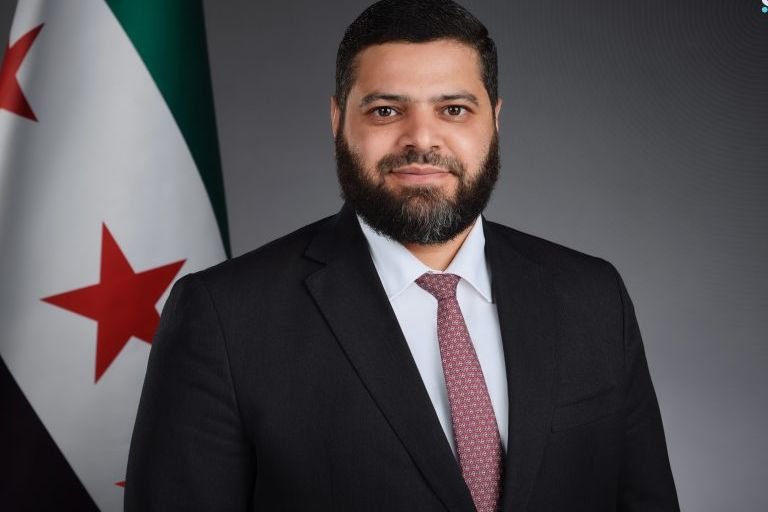
The Governor of Rif Dimashq, Amer al-Sheikh, addressed the judicial development on Tuesday, emphasizing that the rulings represent a triumph for the rule of law. In a statement released through the official Rif Dimashq Governorate channel on Telegram, al-Sheikh asserted that the court’s decision marks a definitive end to the era of impunity in the country.
“The justice system is affirming today that the time of evading accountability has concluded,” the Governor stated. He characterized the legal proceedings as a long-awaited resolution for the families of victims and a fulfillment of the principles of dignity and freedom. According to the governor, these sentences serve as an act of restitution for those who suffered and reinforce the commitment to ensuring that individuals responsible for serious crimes are held to account for their actions against the Syrian people.
This judicial action reflects ongoing developments regarding the internal accountability landscape within Syria. The announcement comes as part of a series of legal actions taken by the Fourth Criminal Court, targeting figures who were previously central to the security and political apparatus. While the individuals named in the ruling are reportedly currently outside the court’s jurisdiction, the sentencing marks a formal legal pronouncement by the domestic judiciary.
The development has been framed by regional authorities as a victory for the rights of the victims and the broader objective of legal redress. By focusing on the accountability of those who held high-ranking positions, the court’s decision signals a shift in the local approach to addressing historical grievances and documenting actions taken during the period leading to the current political climate. The statements from the Governorate of Rif Dimashq underscore a narrative of institutional transition and the assertion of domestic judicial authority over the actions of former officials.
