
Baniyas Refinery Begins Comprehensive Maintenance to Boost Capacity
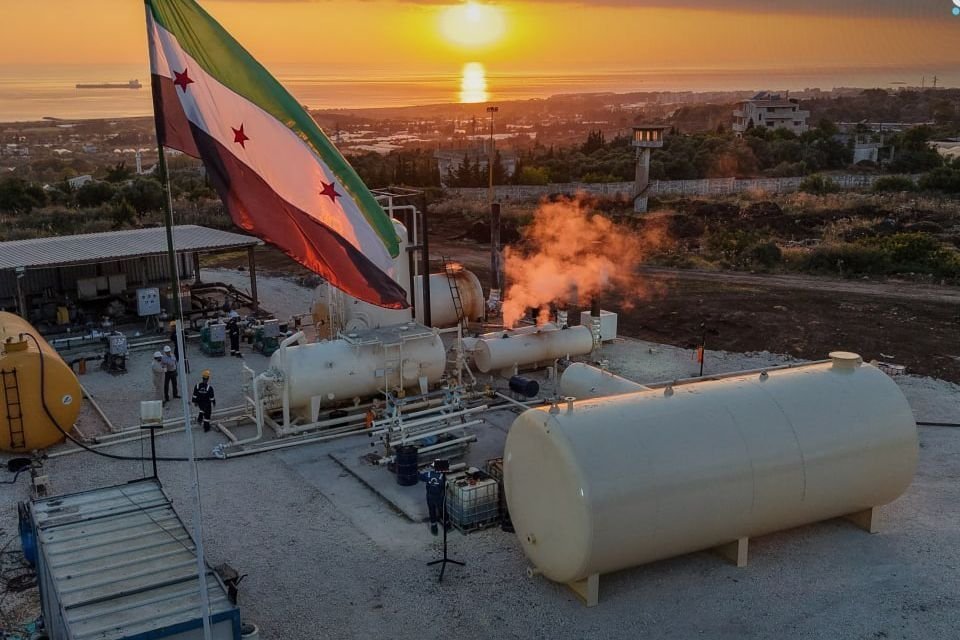
The Syrian Petroleum Company has initiated an extensive maintenance and rehabilitation program at the Baniyas Refinery, marking the first such comprehensive overhaul in the facility’s history. This critical technical intervention follows years of continuous operation without major maintenance, aiming to ensure the facility’s long-term sustainability, restore unit functionality, and improve operational reliability.
Tarek Al-Abdallah, Deputy Executive Director for Refining and Chemical Industries at the Syrian Petroleum Company, stated that technical assessments confirmed an urgent need for this project. The refinery’s equipment and units had suffered from declining technical conditions due to years of sustained operation with only partial maintenance. The scope of the current work extends far beyond routine procedures; it involves replacing the reactor, rehabilitating the distillation unit and power station, and upgrading core infrastructure, including facilities, buildings, and roads. Additionally, the project addresses equipment that has reached an advanced stage of its operational life cycle.
This ambitious project is designed to increase the refinery’s daily processing capacity from its current level of approximately 80,000 barrels to 130,000 barrels—a net increase of 50,000 barrels per day. Officials expect this upgrade to enhance the production of essential derivatives, including gasoline, diesel, kerosene, and liquefied petroleum gas (LPG). Furthermore, the overhaul aims to minimize sudden technical failures that frequently force units out of service, thereby improving overall operational efficiency and the quality of final products.
Al-Abdallah noted that while the refinery had intended to carry out these works last year, delays in the arrival of spare parts and necessary raw materials necessitated rescheduling to the current year. The maintenance is being carried out primarily by the refinery’s national workforce, with contributions from qualified local companies. The refinery is slated to resume operations gradually once technical testing confirms the safety and integrity of the systems.
The operation carries significant economic importance given the current challenges facing the energy sector. The temporary suspension of the refinery coincides with global fluctuations in energy markets and rising oil derivative prices, which have increased the cost of securing domestic supplies. Syria currently produces approximately 100,000 barrels of oil per day, while total requirements are estimated at 300,000 barrels. Consequently, the refinery remains a cornerstone for reducing the national production gap.
Once completed, the increased production capacity is expected to provide greater flexibility in meeting local demand and reducing reliance on imports of finished petroleum products. This transition is intended to stabilize the domestic supply chain for oil derivatives in the coming period.
