
UNHCR Reports 1.72 Million Syrians Return Home
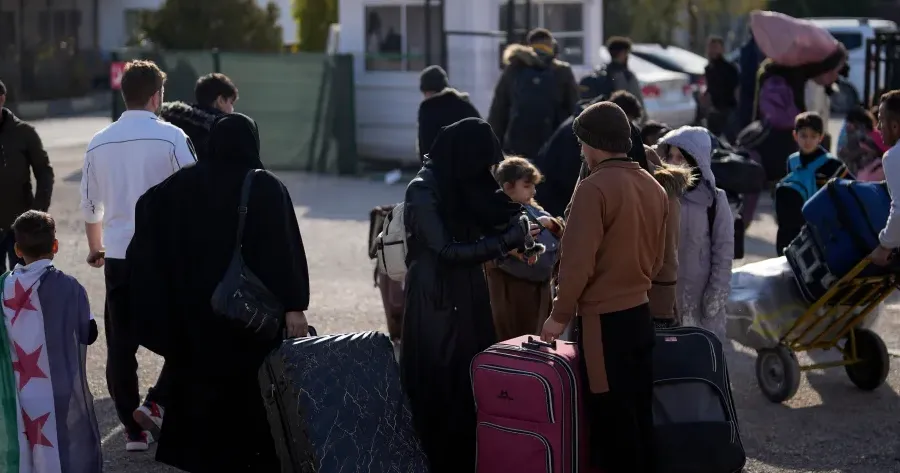
New data released by the United Nations High Commissioner for Refugees (UNHCR) indicates a growing trend in the return of Syrians to their country. According to the updated figures, the number of verified or monitored returnees has reached 1,717,964 individuals. This data tracks the movement of Syrian citizens back into the country and highlights the evolving nature of the return process as these families navigate the challenges of reintegration.
While this figure reflects a significant volume of movement, the UNHCR clarifies that it represents the number of individuals whose return has been formally tracked or verified by the agency, rather than an exhaustive count of every person who has returned. The data underscores an ongoing shift in the demographic landscape as families move back to their original areas of residence.
Geographically, the flow of returnees is concentrated in several key Syrian provinces. Damascus, Aleppo, Idlib, Homs, Hama, Rif Dimashq, and Daraa have emerged as the primary regions receiving the vast majority of those monitored by the commission. These urban centers and their surrounding areas are now the focal points for efforts to stabilize the lives of those returning.
However, the arrival of families at their home destinations marks only the beginning of their journey toward stability. The UNHCR notes that the transition back to daily life is fraught with complex challenges. Families are often confronted with the urgent need to secure adequate housing, restore sources of income, and gain access to essential public services. Furthermore, many returnees face administrative hurdles, including the need to resolve legal issues and update essential documentation to facilitate their full reintegration into their local communities.
To address these needs, the UNHCR is actively collaborating with official state authorities, local partners, and development stakeholders. This cooperation focuses on essential recovery efforts, including the repair of damaged residential buildings and the restoration of critical infrastructure. By providing legal aid and support for livelihoods, these initiatives aim to move families from the initial stage of return toward sustainable self-reliance.
The scope of returning populations extends beyond those arriving from abroad. The UNHCR data also reports that approximately 1.97 million internally displaced persons have returned to their home areas, further emphasizing the scale of movement across the country. Despite these movements, the overall humanitarian situation remains critical. As of August 2025, data suggests there are still more than 5.5 million internally displaced persons within Syria, with approximately 15.6 million people in total requiring various forms of humanitarian assistance.
For the UNHCR, the success of these returns is measured not merely by the number of people arriving, but by the ability of families to rebuild their lives in a stable and secure environment. This includes ensuring access to education, consistent employment, and the services necessary for children and families to look toward a secure future in their own regions.
