
UN Initiatives Lead Debris Removal Efforts in Syrian Recovery
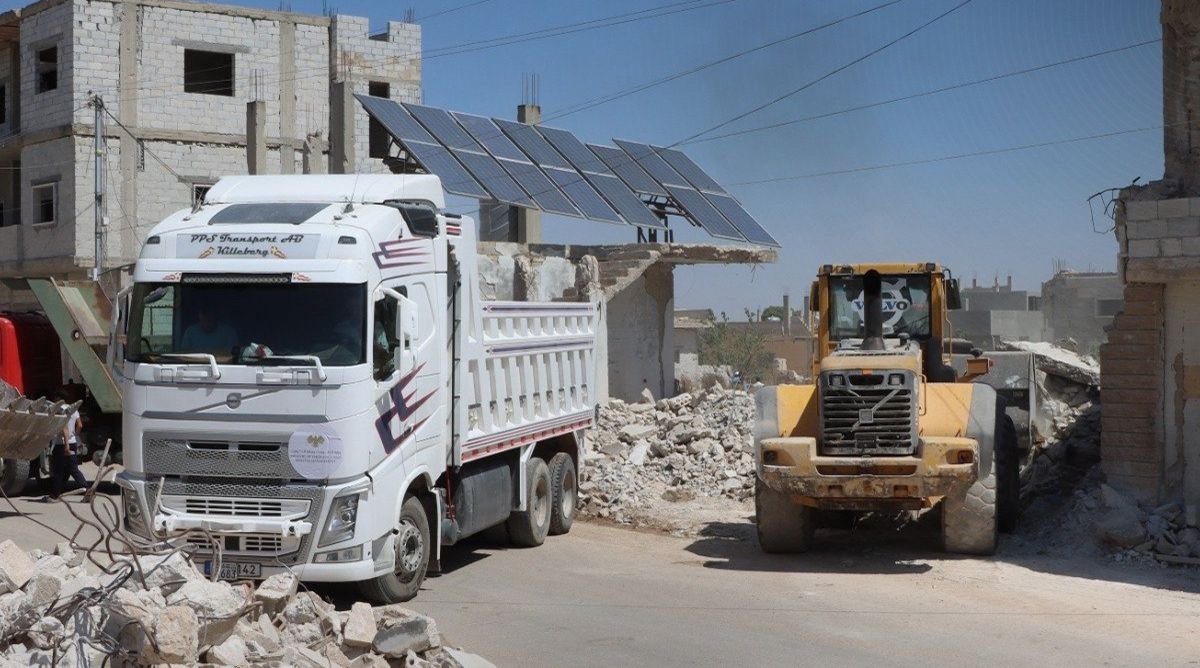
Efforts to remove the extensive rubble left behind by more than a decade of war in Syria are serving as a cornerstone for national recovery and the restoration of normalcy for local communities. According to Joelle Simi-Park, an expert in crisis readiness at the United Nations Development Programme (UNDP), these clearing operations are a primary step toward reopening vital transportation routes, reinstating basic services, and reviving livelihoods in severely affected regions.
Following a recent site visit to assess ongoing recovery projects, the UNDP highlighted the transformative impact of debris removal. Throughout the country, local communities have been actively engaged in clearing ruins and rebuilding neighborhoods that were heavily damaged during the conflict. The war has had a devastating impact on Syria, resulting in the loss of hundreds of thousands of lives, the displacement of millions, and widespread destruction of infrastructure, with early estimates placing the cost of damage at over 100 billion dollars.
In observations from various districts, including areas in the countryside of Damascus, officials noted that the extent of the damage had previously paralyzed daily life. Accumulated mounds of broken concrete and twisted metal had rendered roads impassable, while critical water, sanitation, and electrical networks remained non-functional, leaving entire communities isolated. The removal of these barriers is proving to be a essential catalyst for the gradual return of residents to their homes.
To address these challenges, the UN and its partners launched the “Revive” project, which aims to clear approximately 570,000 tons of debris from key locations, including Aleppo, Deir ez-Zor, Homs, and the Damascus countryside. Beyond clearing the paths, the initiative encompasses the rehabilitation of road networks and water systems. Furthermore, the project includes crucial safety measures, such as raising awareness about the risks posed by unexploded ordnance, and innovative recycling programs that convert rubble into reusable building materials.
Economic revitalization is also a key component of the strategy. Through “cash-for-work” programs, over 1,300 participants have been employed in clearing operations, providing a necessary income source that supports more than 6,000 family members. Beyond financial assistance, the work has fostered a sense of community ownership. In several areas, the removal of debris has spurred local volunteers to take independent action, such as repairing public parks and restoring street lighting to create safer environments for children and families. Local authorities and municipalities across the country have simultaneously launched their own parallel initiatives, working alongside national departments to manage waste and improve urban services, signaling a broader, coordinated effort toward long-term reconstruction.
