
Syrian Youth Turn to Strength Training to Combat Substance Abuse
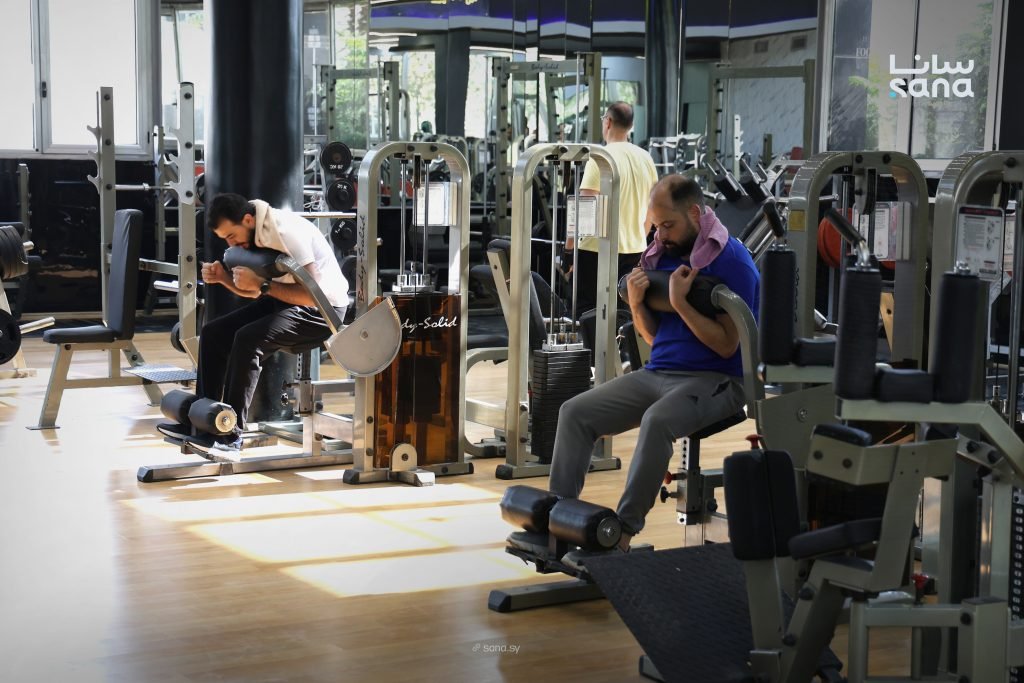
Sports officials and fitness experts in Damascus are actively promoting strength training and athletic conditioning as a vital intervention to protect the younger generation from the growing threats of substance abuse and smoking. As regional challenges continue to impact the physical and mental well-being of youth, athletic programs at institutions like the Al-Muhafaza Club are focusing on building personal resilience through discipline and physical health.
For many young people, the structured environment of a gym provides more than just physical development; it offers a constructive alternative to the societal pressures that often lead to health-deteriorating habits. Ismail Khalouf, a representative from the activities directorate at the Al-Muhafaza Club, emphasized that the institution’s mission has expanded beyond training elite athletes to providing a safe, productive space for youth during their leisure time. By redirecting energy toward improving physical performance, young participants are reportedly developing a psychological barrier against harmful behaviors, recognizing that habits like smoking and drug use are fundamentally incompatible with athletic progress.
This sentiment is echoed by local trainers, who highlight the transformative power of fitness in converting negative energy into positive, goal-oriented activity. Coach Ahmed Al-Ali noted that the measurable sense of achievement found in strength training significantly boosts self-confidence among young men and women. This psychological shift is considered a critical component of broader health initiatives, as participants learn to adhere to specific training programs and health standards designed to maintain their peak physical condition.
Beyond the behavioral benefits, there is a clear focus on the biological advantages of regular physical exertion. Dr. Assem Al-Badwi, a practitioner of the sport, pointed out that the physiological damage caused by smoking and narcotics—such as reduced pulmonary capacity and impaired circulation—is a direct antithesis to the goals of strength training. While drugs can stifle cardiovascular health, disciplined training focuses on increasing respiratory efficiency and strengthening the heart, which in turn improves long-term focus and mental clarity.
The growing interest in strength and fitness training across Syria has led to a more formal approach to the industry. To ensure safety and efficacy, organizations are increasingly implementing standardized training protocols and providing certification programs for coaches. These developments aim to ensure that the surge in popularity of fitness culture is matched by professional guidance, allowing the youth to channel their potential into a sustainable and healthy lifestyle that acts as a buffer against the pervasive dangers of drug-related harm in the region.
