
Syrian Railways Transport Over 663,000 Tons of Cargo in Seven Months
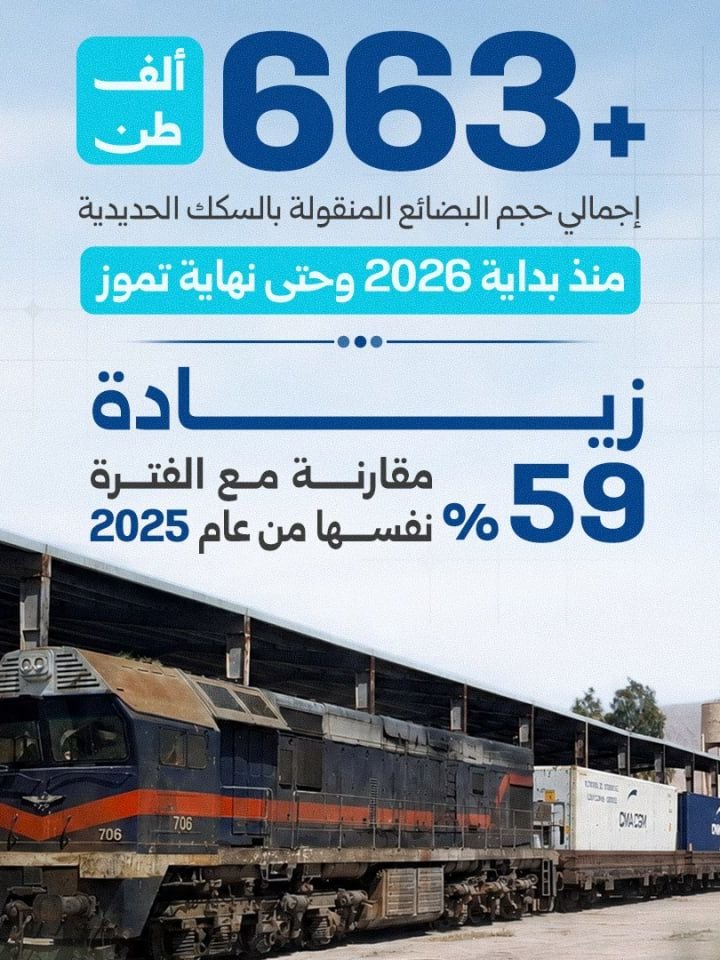
The Syrian General Railways Corporation has reported a significant volume of freight activity, successfully transporting over 663,000 tons of goods across its rail network within the first seven months of the year. The data underscores ongoing efforts to utilize the country’s railway infrastructure to facilitate the movement of essential commodities and industrial materials as part of broader national economic operations.
Rail transport remains a critical component of Syria’s logistics strategy, serving as a primary artery for connecting major production hubs, ports, and industrial zones. By shifting cargo loads from roadways to rail, the General Railways Corporation aims to enhance the efficiency of freight movement, reduce the strain on the national highway system, and lower transportation costs for key sectors of the economy.
The figures reflect a concerted effort to maintain and operate rail lines that serve as vital links for domestic trade and supply chains. Despite the challenges faced by the transport sector, including the need for extensive infrastructure rehabilitation and modernization, the railway network continues to perform a key role in supporting the logistical requirements of the Syrian economy.
This operational output is part of a larger, long-term state objective to restore and expand the railway network. Strengthening the rail infrastructure is considered essential for the country’s reconstruction phase and for fostering an environment conducive to industrial growth. The ability to move such a significant tonnage of cargo highlights the resilience of the existing transit corridors and the importance of continued investment in the national rail service.
The General Railways Corporation remains focused on optimizing current routes and improving operational safety and reliability to meet the growing demands of both the public and private sectors. Efficient freight transport is essential for ensuring that agricultural products, raw materials, and industrial output reach their intended destinations in a timely manner. As the network continues to operate, the state maintains its commitment to utilizing rail transport as a backbone for internal trade, contributing to the stabilization of supply chains and the support of the national economy at large.
