Syria as the Key to Regional Transformation and Ending Conflict
London — British-French writer, historian, and political analyst Aurele Tobelem, writing in the magazine Quillette, has argued that Syria may be the most critical link in achieving a regional transformation and ending decades of Arab-Israeli conflict. Tobelem suggests that reaching a sustainable peace with Damascus could serve as the decisive breakthrough for restructuring the Middle East.
In his article, published on September 15, 2026, Tobelem describes a significant transformation in Syria following the collapse of the Bashar al-Assad regime in December 2024. He asserts that the nation is now closer than ever to establishing a truly independent state capable of autonomously shaping its own regional and international relations.
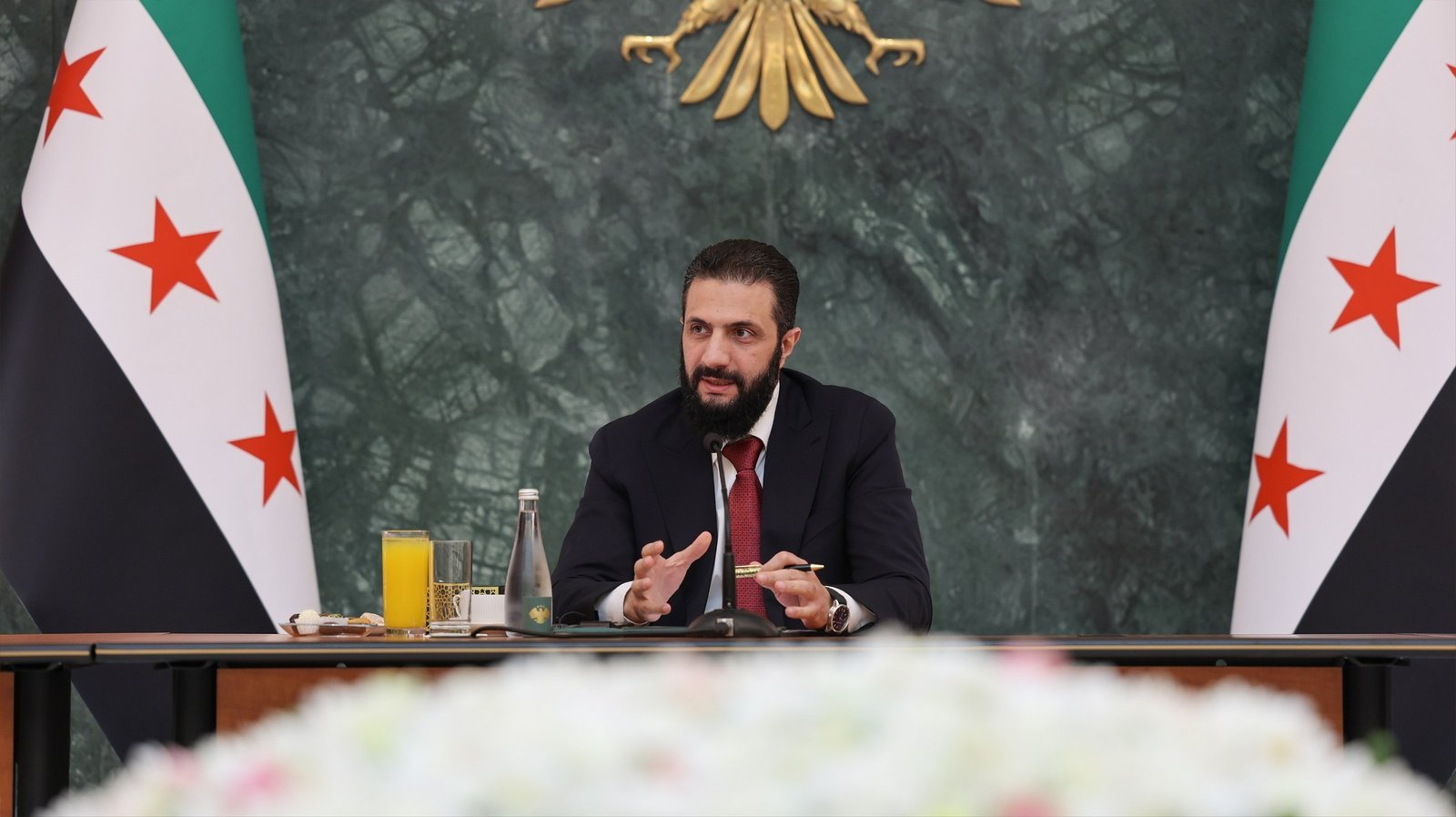
Syrian President Ahmed Al-Sharaa has taken decisive action against remnants of Iranian-aligned infrastructure, according to Tobelem. This includes disrupting smuggling networks utilized by Hezbollah and various Iraqi armed groups linked to Tehran. Furthermore, authorities have arrested individuals associated with the Polisario Front who had reportedly entered Syria via Iran-linked channels.
The article notes that Syria is undergoing an ideological shift toward a distinct form of “Syrian nationalism,” rooted in Islamic governance. This transition involves efforts to align security services more closely with civil society while simultaneously expanding multilateral relations. As an example of these shifts, Tobelem highlights the government’s collaboration with Joe Jajati, a Syrian-American Jewish figure, to preserve and honor the history of Syria’s ancient Jewish community.
Tobelem emphasizes that these internal changes have created an environment where engagement with Israel, while complex, is now possible. From his perspective, Syrians and Israelis share mutual interests in regional stability and the eradication of Iranian influence. While acknowledging that Israel remains cautious regarding Al-Sharaa—citing his previous leadership of Jabhat al-Nusra—the author argues that Al-Sharaa now displays a more pragmatic approach, prioritizing the preservation of Syrian sovereignty.
The author identifies the primary obstacle to peace not as Syria or Israel themselves, but rather the regional ambitions of Turkish President Recep Tayyip Erdoğan. While Turkey has become a key military partner for Damascus since the fall of Assad, Tobelem points out that Al-Sharaa maintains his own strategic calculations and has no intention of becoming a subordinate to Ankara.
Addressing the situation in As-Suwayda, Tobelem criticizes recent remarks by Sheikh Hikmat al-Hijri, particularly his characterization of the Druze as an “inseparable part of the State of Israel.” The author warns that such rhetoric and ongoing clashes threaten to prolong instability in southern Syria, noting that Al-Hijri’s position does not serve as a strategic asset for Israel, as the resulting conflict necessitates a continued Israeli military presence.
Tobelem advocates for a new security framework based on mutual respect for sovereignty. This would involve ending uncoordinated Israeli strikes and support for militant factions, alongside a phased Israeli withdrawal from territories occupied since December 8, 2024. He proposes that such a withdrawal be synchronized with verifiable Syrian measures, such as the expulsion of foreign fighters and the deployment of vetted border security forces. Furthermore, he calls for institutional protections and religious freedoms for the Druze population, suggesting a model of integration similar to that used for the Syrian Democratic Forces (SDF).
Concluding his analysis, Tobelem urges Israel to provide Ahmed Al-Sharaa the opportunity to integrate into a new regional order. He maintains that if Damascus remains committed to a policy of non-confrontation, and if Israel is prepared to engage with the “new Syria,” the country could play a pivotal role in ending the Arab-Israeli conflict, replacing years of violence with a future defined by stability and cooperation.
