
Straw-Weaving Craft Remains a Resilient Tradition in Rural Masyaf
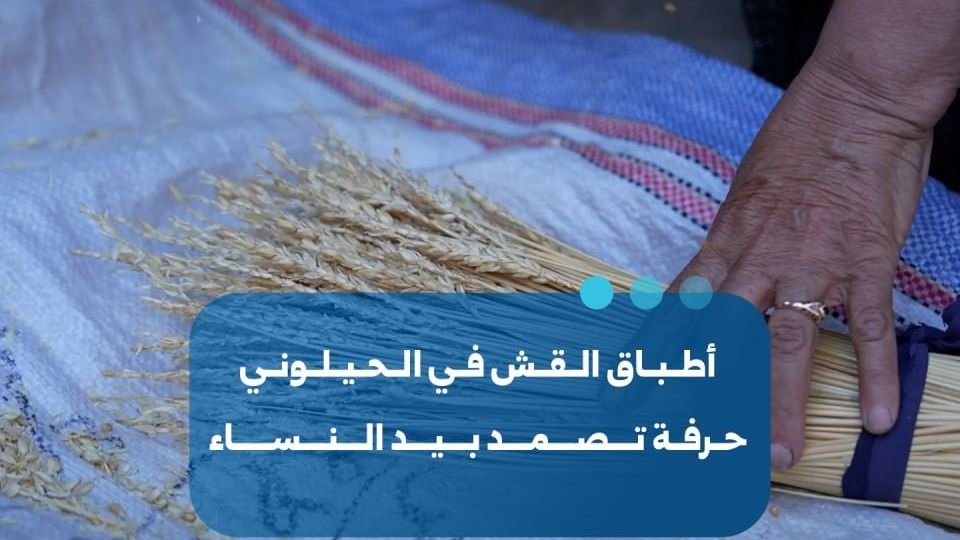
In the village of Al-Hailouni, located in the rural countryside of Masyaf, local women are providing a living example of commitment to Syrian heritage. The traditional craft of straw-weaving remains a fundamental part of the daily professional activity for many women in the region, standing as a testament to the community’s determination to protect ancestral trades from fading away despite the country’s ongoing economic challenges and shifting conditions.
This traditional industry relies heavily on intricate manual skills passed down through generations. Artisans transform raw straw into various household items and decorative plates that serve both aesthetic and functional purposes. Al-Hailouni village stands out as a location that has maintained its distinct identity in this field, with women gathering to complete their work in a social environment that fosters a strong spirit of cooperation.
Field reports indicate that straw-weaving is far more than a simple hobby or recreational activity. It serves as a vital source of supplemental income, with women contributing to the economic support of their families through their craftsmanship. These handmade products receive consistent local demand, driven by their deep connection to the cultural identity of the region and a practical need for traditional, natural tools in daily life.
The endurance of the straw-weaving craft in Al-Hailouni highlights the broader importance of artisanal work within the Syrian social fabric and underscores the role of rural women in safeguarding popular heritage. Despite the simplicity of the tools and materials used, the resulting products possess significant artistic and technical value. This serves as a reminder that traditional Syrian practices remain relevant and capable of adapting to modern requirements, regardless of the circumstances surrounding them.
These craft-based initiatives in rural Masyaf remain a model of authenticity that the local community strives to preserve. By keeping this profession alive as an essential part of Syria’s rich cultural legacy, these women emphasize the importance of continued support for such activities, which effectively bridge the gap between younger generations and their professional and historical heritage.
