
Rif Dimashq Forum Addresses Urban Planning and Reconstruction Needs
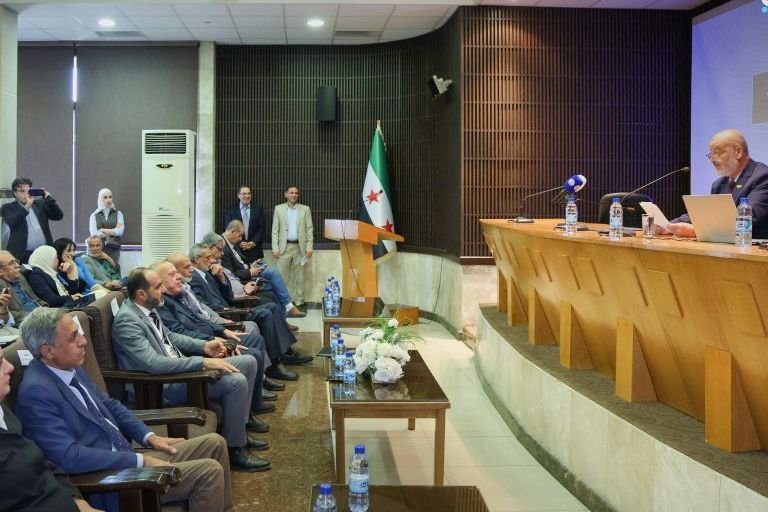
The Engineers Syndicate branch in Rif Dimashq recently organized a specialized scientific symposium focused on the current state of urban planning in Syria. The event examined the obstacles hindering the implementation of regional and regulatory plans, aiming to identify practical solutions that align with sustainable development requirements and the country’s ongoing reconstruction phase.
The symposium, held at the syndicate’s headquarters in Damascus, saw broad participation from specialists representing Damascus University, the Ministry of Public Works and Housing, and the Syrian Engineers Syndicate. Discussions were primarily directed toward identifying mechanisms to transition urban plans from theoretical preparation to actual implementation, addressing spatial development hurdles, and building a more efficient and sustainable urban system.
Akram Tohme, head of the Rif Dimashq branch of the Engineers Syndicate, emphasized that the organization’s role extends beyond merely identifying urban problems and their impact on residential clusters. He stated that the syndicate is committed to actively contributing to scientific solutions and formulating a clear urban vision that responds to the needs of reconstruction. Tohme stressed the necessity of taking practical measures to address the root causes of informal housing growth, which he noted is a critical step toward creating the right conditions for the execution of regulatory plans on the ground.
Shaker Tunsi, head of the syndicate’s Urban Planning Committee, reviewed the positive and negative aspects of current urban planning and their direct impact on residential development. Additionally, Dr. Arwa Sharaf al-Din, a faculty member at the Faculty of Architecture at Damascus University, provided an in-depth critical reading of regional planning. She highlighted the administrative and financial obstacles that have hindered the implementation of various plans that were drafted decades ago.
The President of the Syrian Engineers Syndicate, Malik Hajj Ali, pointed out that Syria is heading toward an intensive phase of reconstruction work. This transition, he noted, requires a coordinated effort to improve the efficiency of urban planning and to provide the necessary legislative and technical environment to advance this vital sector. He added that the symposium serves as a follow-up to the findings of the “IREC 2026” forum and affirmed that the syndicate continues to work on preparing engineering standards and codes compatible with the requirements of the next phase.
Urban planning in Syria is currently based on Legislative Decree No. 5 of 1982 and its subsequent amendments, which define the legal framework for organizing residential clusters. With more than four decades having passed since the issuance of this decree, experts and specialists emphasized the urgent need to review and update these legal frameworks. Modernizing these regulations is seen as essential to keep pace with current development changes, overcome obstacles to balanced and sustainable urban growth, and ensure that plans are successfully implemented to serve the needs of citizens rather than remaining theoretical documents.
Source: Syria Focus Arabic
