
Residents Return to Khirbet Ghazaleh in Daraa After Years of Displacement
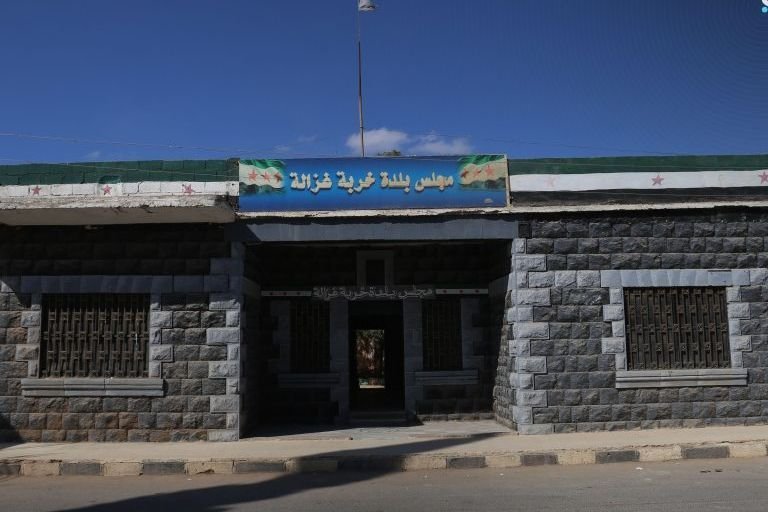
Khirbet Ghazaleh, located in the eastern countryside of Daraa, is witnessing a rapid return of residents who were forcibly displaced during the years of the Syrian conflict. This influx follows persistent efforts by the local community to revitalize the town and initiate the restoration and reconstruction of homes and critical facilities that had been decimated.
The town’s history reflects the experience of many Syrians throughout the years of the crisis. In March 2013, the town was left entirely empty of its inhabitants due to heavy shelling and military operations. For years, it remained a restricted military zone, forcing families to seek refuge in neighboring villages, other governorates, or abroad in countries such as Jordan, Sweden, and Germany.
Ahmad Nassar Al-Zoubi, the head of the local town council, explained that while the return of residents began on a limited scale in 2018, the pace has accelerated over the past few months following the town’s liberation. He estimates the current population to be approximately 28,000. This demographic growth has presented significant challenges, specifically the urgent need to rehabilitate water, electricity, sewage, and road networks.
To overcome these obstacles, the local community has organized collective donation campaigns involving youth, women, and expatriates. These efforts are focused on restoring schools, health facilities, the local municipal center, and the civil registry office. Additionally, residents have launched campaigns to provide machinery for debris removal and to facilitate the repair and lighting of local roads—an initiative that residents describe as a manifestation of a resilient spirit and a commitment to remaining on their land after years of diaspora.
Returning residents, including Ghazi Al-Masri, recall the state of their homes upon arrival, describing them as skeletal structures stripped of doors, windows, and electrical wiring after being looted during the period of occupation by military forces. Despite the scale of the destruction, those returning emphasize that their decision is rooted in a steadfast determination to rebuild their future in their hometown.
Amer Al-Hajj Ali, director of the Horan Free Assembly platform, highlighted that the town’s strategic location on the international road between Damascus and Daraa made it a primary military target. This status led to the total displacement of its population and the disintegration of the local social fabric. Human rights reports, including those from the Syrian Network for Human Rights and Human Rights Watch, have documented the shelling, looting, and arson that affected the town and its neighboring areas, such as Namir and Al-Katibah, illustrating the extent of the hardship faced by the people.
Today, the sounds of construction and restoration work are gradually replacing the silence that characterized the long years of displacement. Returning families are working to restore the features of life in Khirbet Ghazaleh, asserting that the challenges of the post-war phase are as significant as the conflict itself, with the primary objective being to repair what was destroyed and look toward the future.
Source: Syria Focus Arabic
