
New Mechanism Boosts Immune Response to Cancer Treatment
Researchers at the University of Chicago have unveiled a scientific discovery that may open promising new avenues in oncology. By identifying a precise molecular mechanism, the team has found a way to enhance the immune system’s ability to respond more effectively following radiation therapy.
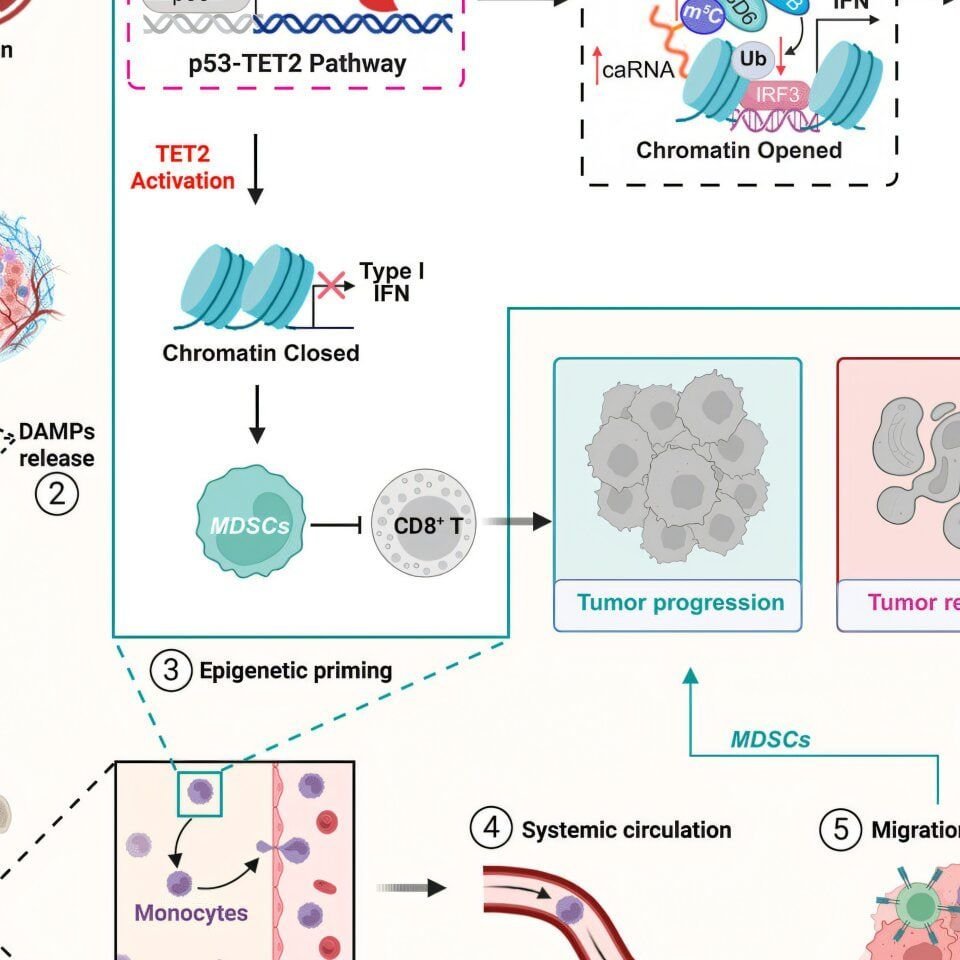
According to the study, published in the scientific journal Cancer Cell, a protein known as TET2 plays a pivotal role in regulating the functions of specific immune cells. Findings indicate that radiation therapy—which uses high-energy beams to destroy or shrink cancerous tumors—can trigger this protein within immune cells located in bone marrow. Once activated, the protein prompts these cells to adopt an inhibitory function, which in turn hampers the body’s ability to effectively combat tumors.
Laboratory experiments demonstrated that inhibiting the activity of the TET2 protein directly contributes to redirecting these immune cells. This process makes them more capable of activating T-cells, which are vital components of the immune system. T-cells act as the body’s primary line of defense, serving to recognize and target cancer cells for destruction.
Further results showed that combining the inhibition of TET2 with conventional radiation therapy yielded tangible improvements in animal models. This combination proved more effective at limiting tumor growth and preventing spread than relying on radiation therapy alone. This development points toward the potential for future treatment protocols that integrate radiation therapy with modern immunotherapies to improve clinical outcomes for patients.
Despite the significance of these findings, the researchers emphasized that this discovery provides a solid foundation for further investigation into the role of the protein in immune responses to tumors. They noted that transitioning this therapeutic approach to human application requires rigorous clinical studies. Such trials are essential to ensure patient safety and to evaluate the effectiveness of this technique within real-world clinical environments.
Radiation therapy remains a fundamental pillar in cancer treatment protocols. It is currently used either as a standalone option to eradicate tumors or as part of an integrated treatment plan that may include surgery or chemotherapy. This latest study represents a significant step toward strengthening the integration between physical radiation therapy and the body’s immune stimulation.
Source: Syria Focus Arabic
