Homs University Hospital Hosts Specialized Scoliosis Surgery Campaign
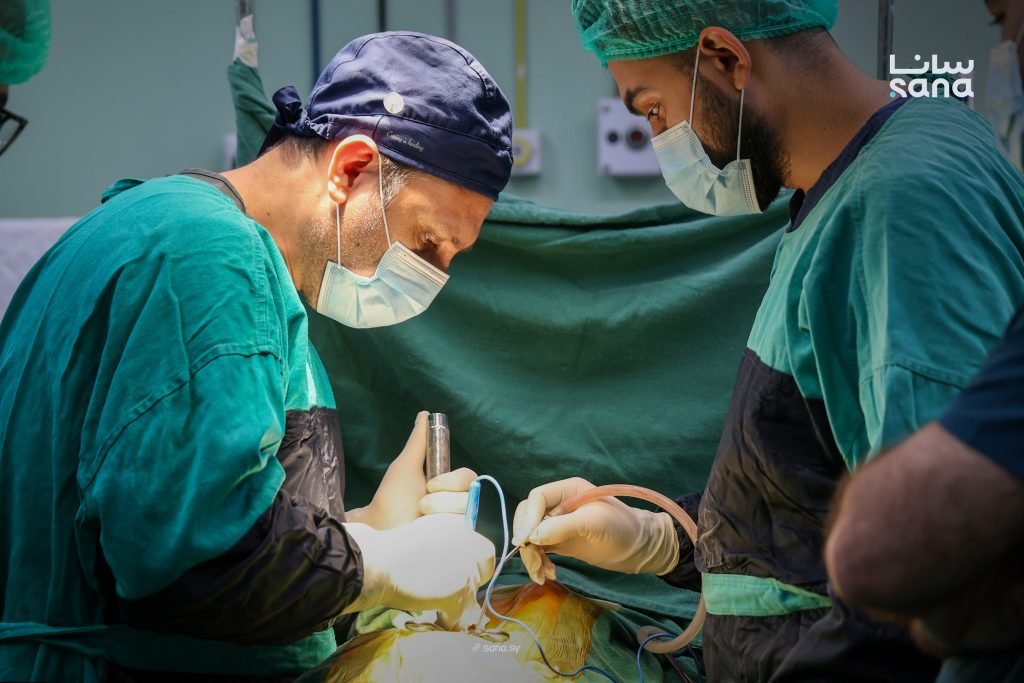
Medical professionals at Homs University Hospital have successfully completed a series of complex scoliosis correction surgeries as part of the “Shifa 4” humanitarian campaign. The initiative, conducted in collaboration with the medical team from the Shifa organization and the MedGlobal aid group, underscores a strategic effort to provide high-cost, specialized care to patients in need while bolstering the technical capabilities of the local healthcare workforce.
The surgical program focused on patients between the ages of 6 and 24, with medical staff prioritizing severe cases where spinal curvature threatened respiratory function. By intervening early, surgeons aim to prevent the development of life-altering complications, such as permanent spinal cord damage and chronic mobility issues.
A key highlight of the campaign was the introduction of advanced neuro-monitoring technology. By utilizing specialized equipment to observe the spinal cord and nervous system in real-time during procedures, the surgical team was able to significantly mitigate the risks of paralysis and other neurological complications. According to surgical specialists involved in the mission, these interventions are categorized as high-complexity procedures that typically require significant financial resources and specialized orthopedic hardware, which are often difficult to procure in the current economic climate.
Beyond the immediate patient outcomes, the initiative serves as a vital platform for professional development. The medical team emphasized that a core objective of the collaboration is the transfer of expertise. By working alongside the visiting specialists, local residents and surgeons in Homs are gaining hands-on experience with modern spinal correction techniques. This knowledge transfer is intended to ensure that the hospital maintains the capacity to perform such surgeries independently in the future, reducing the reliance on external humanitarian support.
The administrative leadership at Homs University Hospital described the campaign as a model for inter-institutional cooperation. By integrating resources from the academic hospital, regional health authorities, and international aid organizations, the program has created a sustainable framework for delivering high-quality, free-of-charge medical services to the public. The logistics and preparatory work provided by the university hospital allowed for a seamless transition from diagnostic consultations to post-operative recovery for the patients involved.
For families of the patients, the campaign has provided a lifeline. Many of those treated had been living with severe spinal deformities from birth, with limited prospects for specialized intervention. The success of the Shifa 4 mission highlights the ongoing critical need for specialized surgical services in Syria and the tangible impact of combining humanitarian aid with local clinical capacity building. As the campaign concludes, the focus shifts toward institutionalizing these practices to ensure that advanced spinal care remains accessible to those who need it most.
