
Deir Ez-Zor Health Directorate Partners with Al-Furat University
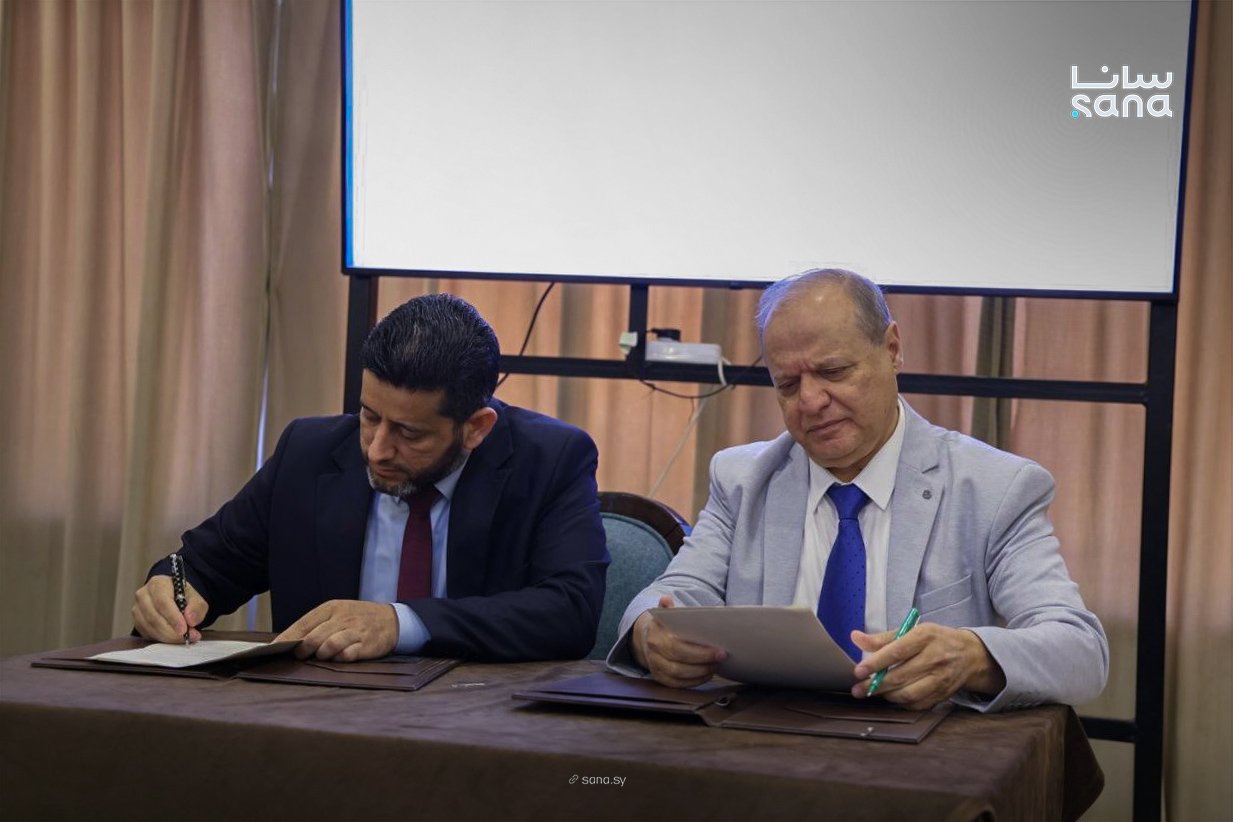
The Deir Ez-Zor Health Directorate and Al-Furat University have finalized a formal memorandum of understanding designed to revitalize medical training and strengthen the professional capabilities of the healthcare workforce in the region. This collaborative framework marks a significant effort to bridge the gap between academic theory and practical clinical application for students of medicine and nursing.
Under the terms of the agreement, students enrolled in the faculties of medicine and nursing at Al-Furat University will gain structured access to the public hospitals operating under the jurisdiction of the Deir Ez-Zor Health Directorate. This integration of clinical rotation and residency programs is intended to elevate the quality of medical service delivery, ensuring that trainees are equipped with the technical skills necessary to manage the needs of the local patient population effectively.
Beyond undergraduate training, the initiative places a strong emphasis on continuous professional development. The memorandum facilitates a pathway for incumbent medical staff to pursue advanced academic degrees, including doctoral studies. By providing physicians working within the provincial hospital system the opportunity to enhance their specializations and engage in high-level medical research, the collaboration seeks to raise the overall standard of the region’s healthcare infrastructure.
This strategic partnership serves as part of a broader, sustained institutional push to stabilize and rebuild the public health sector in Deir Ez-Zor. Following years of instability, local authorities are focusing on human capital as a cornerstone of recovery. By creating a more robust environment for clinical education and academic research, the project aims to ensure that hospitals and medical centers are supported by a steady pipeline of highly qualified practitioners.
The initiative addresses a critical need for localized expertise. By fostering closer ties between the university and the regional health department, the agreement creates a sustainable model for medical education that is directly tied to the operational realities of provincial health facilities. The goal is to cultivate a self-sustaining ecosystem where academic progress directly informs and improves the daily operations of hospitals, ultimately translating into better health outcomes for the community.
As the region continues its efforts to restore public services, this collaboration underscores a commitment to integrating professional education into the heart of regional governance. By formalizing these academic and clinical exchanges, officials expect to see measurable improvements in the quality of care and the efficacy of medical training, serving as a foundational step toward the long-term stabilization of the regional health system.
