
Daraa Launches Data Analytics Diploma to Boost Administrative Reform
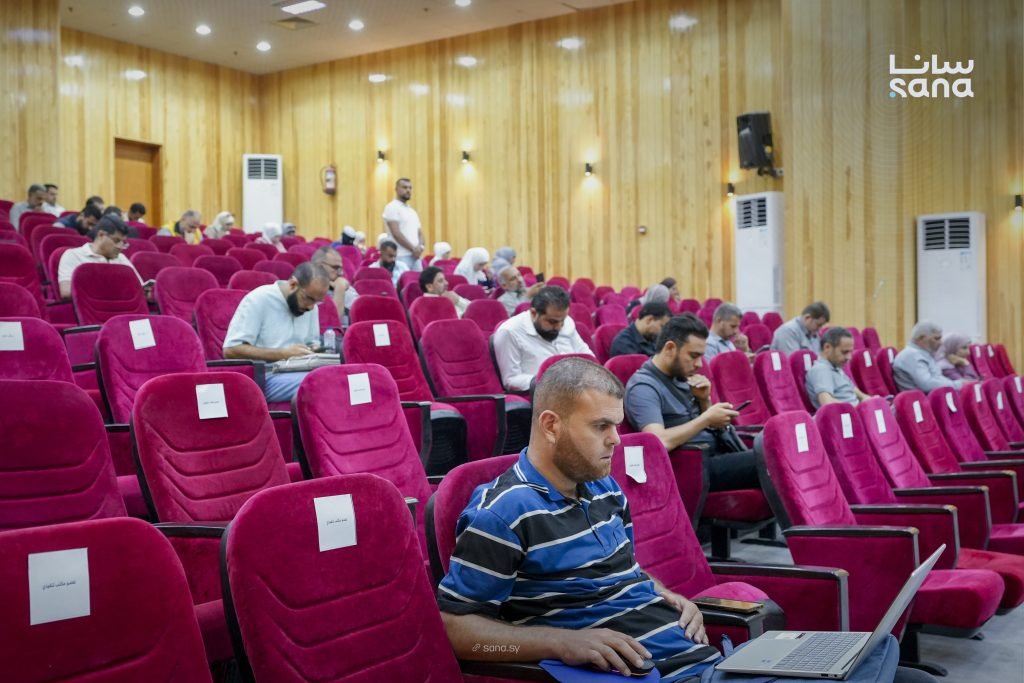
More than 100 civil servants from various public sectors in the Syrian province of Daraa have sat for a preliminary entrance exam for a newly established diploma in data analytics. The initiative, overseen by the provincial Administrative Development directorate, marks a strategic effort to modernize government operations and integrate data-driven methodologies into public administration.
As public institutions navigate increasingly complex operational landscapes, the diploma program is designed to move beyond traditional record-keeping. The curriculum focuses on transforming raw data into actionable insights, providing personnel with the tools to assess institutional performance, identify departmental needs, and resolve systemic administrative hurdles. By fostering a culture of evidence-based management, local authorities hope to enhance the efficiency and precision of public service delivery.
Hussein Nusairat, the Director of Administrative Development in Daraa, emphasized that the shift toward data-informed decision-making is no longer optional but a fundamental requirement for modern governance. According to the development office, the training will commence as soon as the final selection process for the program is concluded. The ultimate goal is to equip administrative cadres with the ability to extract, analyze, and interpret complex data sets, thereby minimizing errors and ensuring that government actions are guided by accurate, real-time information.
Participants in the program, who represent a wide array of government departments, view the diploma as a vital professional development opportunity. For many public employees, the coursework represents a necessary step to keep pace with global shifts in the digital economy and institutional management. By elevating the skill set of the local workforce, the provincial government aims to cultivate a more proactive administrative environment where resources are allocated based on clear performance indicators rather than legacy procedures.
This training program is part of a broader, ongoing push to modernize the public sector in Syria, emphasizing the importance of human capital investment. Through this initiative, the regional administration in Daraa is signaling a commitment to digital transformation, aiming to bridge the gap between administrative theory and practical, technology-driven application. As the program progresses, the successful integration of these analytical skills is expected to serve as a benchmark for similar administrative reform projects in other provinces, reinforcing the importance of a data-centric approach to rebuilding and managing state institutions.
