
Damascus University Exhibition Promotes Traditional Earth Construction
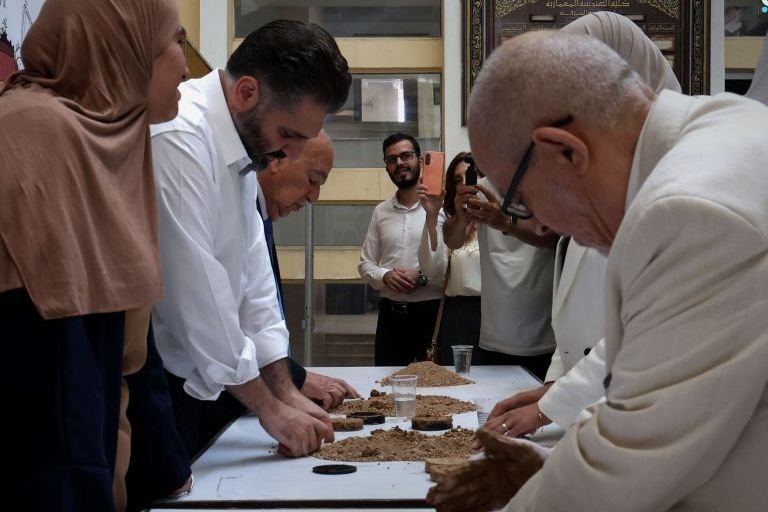
The Faculty of Architecture at Damascus University recently hosted an exhibition titled “We Build with Mud,” aimed at re-evaluating traditional construction techniques as viable, sustainable solutions for the future. As modern architecture increasingly relies on concrete and synthetic materials, the exhibition showcased research and experimental efforts to reintegrate earth-based materials into contemporary building practices.
The event, which displayed a variety of soil samples, construction models, and casting molds, highlighted the architectural heritage of Syria. Organizers and participants presented earth as a material that carries the collective knowledge of generations, possessing the potential to offer modern solutions that respect the environment, local resources, and the unique identity of the Syrian landscape.
Syria’s Minister of Culture, who attended the opening, emphasized that the country’s diverse geography—ranging from basalt and stone to wood and mud—has long dictated its architectural styles. He noted that the initiative is not an attempt to replicate the past, but rather a scientific effort to study and modernize the knowledge accumulated by Syrian ancestors to meet the needs of the present. He argued that preserving the skills and traditional techniques of the building process is as vital as maintaining the physical structures themselves, especially in the context of Syria’s ongoing reconstruction efforts.
According to the Minister, this knowledge is critical for ensuring that future restoration and development projects remain grounded in local history. By training a new generation of architects in these methods, Syria aims to foster a more conscious approach to construction that honors the relationship between humans, the environment, and historical memory.
The event also featured contributions from the Syndicate of Engineers, with the head of the organization stressing the need for a collaborative approach involving universities, researchers, and professional engineers. There is a documented need for specialized cadres trained in the restoration of archaeological sites and the revival of local material usage. Such experts are vital to prevent the improper replacement of heritage elements with modern materials that may be incompatible with the original structures.
Throughout the exhibition, visual presentations compared Syrian traditional architecture with global examples, including structures from the Great Wall of China and various historical towns in France. These comparisons served to reinforce the potential of earth-based architecture in creating multi-story buildings that are both sustainable and climate-appropriate.
The event concluded with interactive sessions where attendees, including students and children, were invited to engage directly with raw soil samples. This hands-on approach allowed participants to understand the properties and durability of different earth materials, reinforcing the goal of bridging the gap between ancestral wisdom and the modern requirements of sustainable, identity-conscious reconstruction.
