
Damascus Hosts Training on Advanced Arabian Horse Breeding
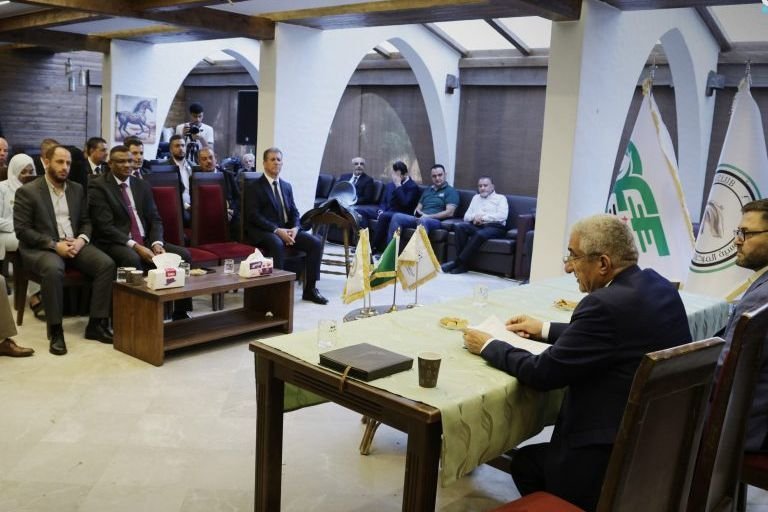
The Central Equestrian Club in the Dimas area of Damascus is currently hosting a specialized training course focused on advanced techniques for improving Arabian horse breeding. The event is organized by the Arab Center for the Studies of Arid Zones and Dry Lands (ACSAD), in cooperation with the Syrian Arab Equestrian Federation, and is conducted under the supervision of the Syrian Ministry of Agriculture.
This initiative reflects the growing focus on the equestrian sector in Syria. Dr. Nasr-Eddin Al-Obaid, Director-General of ACSAD, stated that the course is part of a comprehensive national project aimed at developing and enhancing the bloodlines of purebred Arabian horses. The program, which runs until October 4, is designed to provide veterinarians and professionals in the industry with the latest scientific expertise.
The training program features an intensive schedule that combines theoretical lectures with practical field applications. Key topics covered during the sessions include the role of proper nutrition in enhancing reproductive efficiency, techniques for diagnosing and detecting pregnancy using ultrasound (echo) technology, and the application of artificial insemination and embryo transfer methods. The curriculum also addresses the latest internationally recognized practices in managing reproductive programs to ensure optimal results in the breeding of Arabian horses.
Zaid Abu Zaid, President of the Syrian Arab Equestrian Federation, emphasized the strategic importance of this course in refining the skills of local personnel. He noted that this initiative is a key component of a series of planned training programs intended to raise the scientific and professional standards of those working in the Syrian equestrian sector.
Safaa Mohammed Ali, head of the Artificial Insemination and Embryo Transfer project at ACSAD, highlighted that the training focuses on empowering staff to utilize modern technologies to increase the population of purebred Arabian horses while maintaining their genetic purity. She noted that this is the first course of its kind in this specialized field and that it will be followed by a series of advanced training sessions to further enhance the capabilities of teams working in this vital sector across the country.
Source: Syria Focus Arabic
