
Damascus Health Event Addresses Nutrition and Obesity Challenges
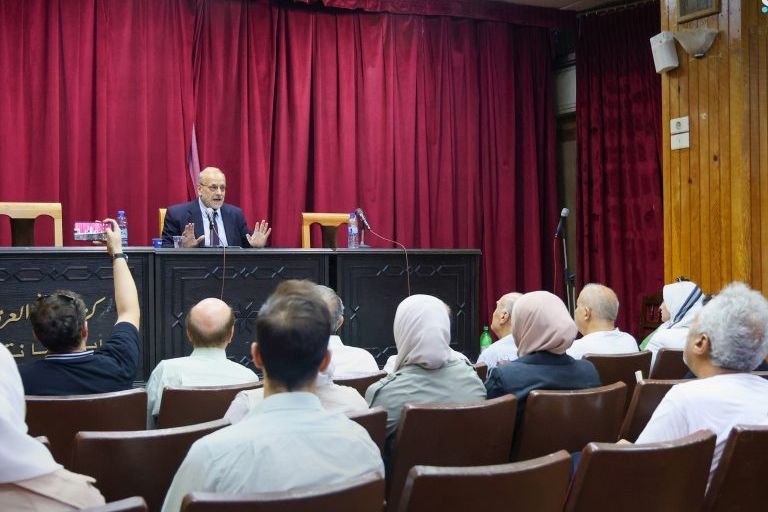
A health event titled “Nutrition and Obesity,” hosted by the Arab Cultural Center in the Abu Rummaneh district of Damascus, has brought focus to the growing issue of weight gain and its links to modern lifestyle habits. The session, presented by Dr. Mohammed Hussein Al-Sioufi, explored the direct correlation between daily dietary patterns, physical activity levels, and the rising prevalence of obesity among the local population.
During the event, Dr. Al-Sioufi outlined the primary behavioral and nutritional factors contributing to weight gain. He identified the excessive consumption of sugar, fats, and high-calorie processed foods as major drivers of the trend. The presentation also addressed the impact of irregular meal schedules and a reliance on pre-prepared meals, which, when coupled with increasingly sedentary lifestyles—such as long periods of sitting—create a cumulative negative effect on public health.
Emphasizing a shift in perspective, Dr. Al-Sioufi argued that weight management should be treated as a significant health priority rather than a cosmetic concern. He noted that when weight gain reaches a point where it begins to interfere with daily mobility and activity, it requires a formal evaluation and the creation of a realistic, long-term health plan. He warned against the pitfalls of extreme dieting and quick-fix solutions, which are often unsustainable and can be detrimental to long-term well-being.
To promote healthier living, the session provided practical guidance for attendees. Recommendations included the structured regulation of meal times, careful portion control, and increasing the intake of fruits and vegetables. Furthermore, Dr. Al-Sioufi stressed the importance of hydration and the incorporation of consistent daily movement into one’s routine, rather than relying solely on structured exercise.
In a discussion regarding nutritional balance, Al-Sioufi clarified that achieving a healthy weight is not about deprivation or the complete elimination of specific food groups. Instead, he advocated for a balanced approach characterized by diversity, moderation, and an informed selection of nutrient-dense foods. He pointed out that many common dietary errors stem from emotional or social eating habits, where food consumption is disconnected from the body’s actual physiological needs.
He further highlighted that a sedentary lifestyle exacerbates the imbalance between energy intake and expenditure. Consequently, the prevention of obesity is deeply rooted in increasing overall daily activity and reducing sedentary time. The event was held as part of the Cultural Week program organized by the Arab Cultural Center in Abu Rummaneh, aiming to foster greater nutritional awareness and promote the concept of food security as a cornerstone of maintaining broader public health standards within the Syrian capital.
