
“Al-Athar al-Tayyib”: A Syrian App to Integrate the Deaf Community
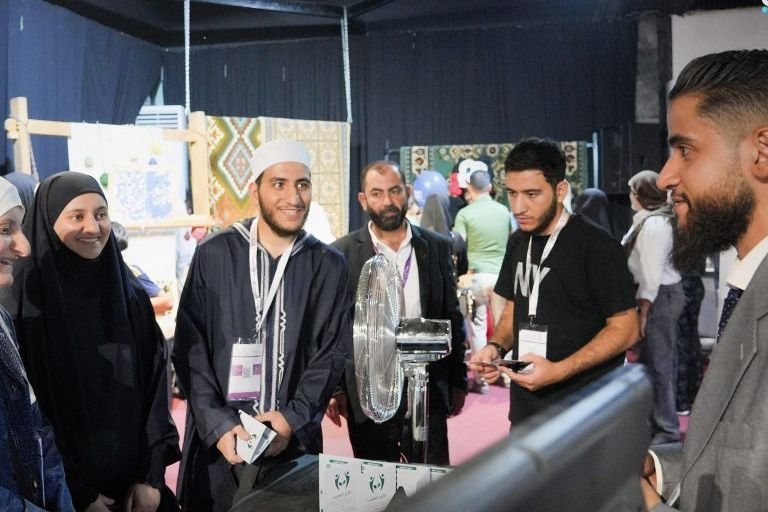
At the 63rd Damascus International Fair, a new Syrian technological innovation, the “Al-Athar al-Tayyib” (The Good Impact) application, has been introduced to address communication challenges faced by the hearing-impaired. The project is the result of a collaboration between the Qudurat Center, affiliated with the Ministry of Social Affairs and Labor, and the Al-Athar al-Tayyib Foundation, highlighting the country’s drive to utilize modern technology to support vulnerable populations.
The application relies on artificial intelligence to translate Syrian Sign Language into written text and vice versa. This functionality is designed to enable the deaf community to interact more easily with society in various service facilities, such as hospitals, government institutions, and public sectors. Developers behind the initiative aim to build a specialized database for Syrian Sign Language terminology, which is expected to pave the way for more accurate and effective digital tools in the future.
Ahmed Shehab al-Din, head of the Qudurat Center, stated that the application is a vital tool for fostering the independence of the deaf, aiding their integration into the labor market and daily activities. He emphasized that the center is dedicated to providing a comprehensive environment to train young people and enhance their skills, noting that such entrepreneurial projects are essential for removing obstacles that hinder the active participation of people with disabilities in development efforts.
Moayad Khalil, Director of the Artificial Intelligence Department at the Al-Athar al-Tayyib Foundation and the lead developer of the application, noted that the project was born out of an urgent societal necessity. Khalil explained that the development team faced significant technical challenges, particularly the scarcity of sign language specialists. To overcome this, the team worked closely with experts and members of the deaf community to ensure the quality and precision of the database.
Addressing security and technical specifications, Khalil stated that the application is designed to function offline. All media and data are stored locally on the user’s device, ensuring data privacy and security. The application is expected to be released on digital platforms in approximately six weeks, following the completion of final technical procedures.
The showcase of this innovation is part of the Ministry of Social Affairs and Labor’s pavilion at the Damascus International Fair. The pavilion also features examples of professional and artisanal work created by people with disabilities and the wives of martyrs, underscoring the Ministry’s ongoing policy to empower these groups and increase their visibility within Syrian society through sustainable economic and development projects.
