Syrian Petroleum Company Upgrades Gas Infrastructure at Tartus Terminal
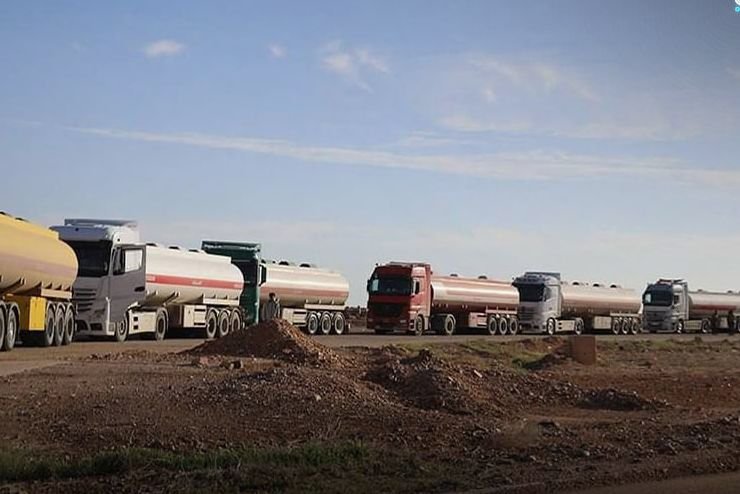
The Syrian Petroleum Company has announced the successful completion of a critical infrastructure upgrade at the Tartus oil terminal, aimed at enhancing the facility’s capacity for handling gas shipments. The project, which focused on the rehabilitation of the gas pipeline at Berth 6, is expected to improve the overall efficiency and reliability of energy imports entering the country.
According to the director of the company’s maintenance and technical rehabilitation division, Abdel Hadi Joubassi, the work involved the replacement of a primary end-of-line valve and two hoses, which had caused the berth to be temporarily removed from service. The technical and engineering teams stationed at the Baniyas oil terminal executed the repairs, prioritizing the replacement of worn-out sections to ensure the integrity of the facility and adherence to strict safety standards. By replacing these components, the company has effectively restored the berth to full operational capacity, allowing for the resumption of vessel reception and unloading processes.
This infrastructure improvement is a strategic move to bolster the nation’s energy supply chain. By optimizing the reception and unloading of gas tankers at the terminal, the Syrian Petroleum Company aims to strengthen import capabilities and streamline distribution channels. Such enhancements are critical for maintaining the stability of petroleum derivative supplies, which are essential for supporting various industrial and operational activities throughout the region.
The broader context of this initiative remains tied to ongoing efforts by energy authorities to secure consistent supplies for the local market. The sector continues to navigate a challenging landscape characterized by regional tensions that have contributed to fluctuations in global oil prices and increased volatility in international supply chains. Efforts to rehabilitate and modernize key energy infrastructure, such as the facilities in Tartus, serve as a vital measure to mitigate these external pressures and ensure that the domestic market receives the necessary energy resources for sustained operation.
The successful rehabilitation of Berth 6 stands as a component of a larger, ongoing strategy to upgrade maritime handling facilities. By focusing on critical technical points within the supply chain, the Ministry of Energy seeks to minimize downtime and prevent further logistical bottlenecks. As Syria continues to manage its energy requirements, the focus on technical maintenance and the modernization of existing assets remains a core pillar of its broader economic stability efforts, ensuring that essential infrastructure remains resilient in the face of persistent external economic difficulties and regional logistical hurdles.
