
Syria Signs Medical Engineering Cooperation Agreements
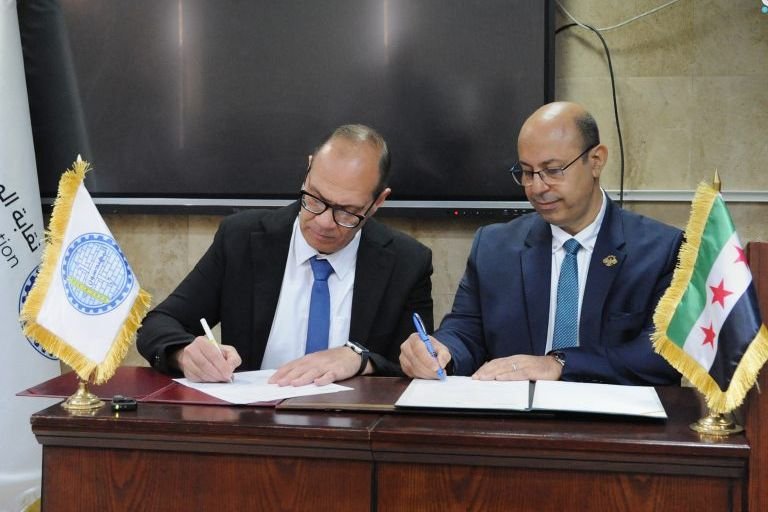
The Syrian Engineers Syndicate has taken a significant step toward bolstering the nation’s healthcare sector by signing two key memoranda of understanding aimed at advancing the field of medical engineering. The agreements, finalized at the syndicate’s headquarters in Damascus, seek to harmonize local technical capabilities with global standards and foster innovation within the medical technology landscape in Syria.
Under the terms of the agreements, the Syrian Engineers Syndicate will partner with the Syrian Society for Medical Engineering to elevate professional standards across the industry. A second memorandum was signed between the Syrian Society for Medical Engineering and the Syrian Assembly in Germany. This collaboration is designed to facilitate robust scientific and research cooperation, with a particular focus on the development of national technical personnel and the exchange of advanced medical technologies.
Syrian Engineers Syndicate Head, Malik Haj Ali, described the move as a critical milestone for the country’s engineering sector. According to Haj Ali, the syndicate has officially established a “High Commission for Medical Engineering,” an initiative intended to aggregate Syrian expertise and specialized talent from both within the country and the diaspora. This commission, in coordination with the Syrian Society for Medical Engineering, will serve as the primary governing body to oversee the implementation of the new professional standards and technical strategies.
The initiative addresses a pressing need to integrate young professionals into the labor market. The core programs resulting from these agreements include structured training for fifth-year students and recent graduates of medical engineering programs. By providing these individuals with the necessary skill sets, the syndicate aims to ensure that local engineering talent is effectively utilized and placed in roles where they can make the most significant contributions to the national health system. Plans are currently underway to develop exchange programs that will allow Syrian engineers to gain hands-on experience through collaborative efforts between local institutions and their counterparts in Germany.
Omar Al-Hamami, President of the Syrian Society for Medical Engineering, highlighted that the agreements are not merely symbolic but are intended to create tangible improvements in clinical support. By fostering a closer link between engineering expertise and medical facilities, the society expects to see a direct increase in the quality of services provided to patients. Al-Hamami noted that the partnership with the Syrian community in Germany is particularly vital, as many expatriate engineers have expressed a strong commitment to supporting domestic development and reconstruction efforts.
Representing the Syrian Assembly in Germany, Dr. Ahmed Al-Hamwi emphasized that the memorandum is ready for immediate implementation. He stated that the cooperation acts as a bridge, allowing local students and graduates to access contemporary global technologies and best practices. As a non-profit organization comprised of professionals, academics, and experts, the Syrian Assembly in Germany aims to channel the resources and expertise of the Syrian diaspora toward sustainable development, ensuring that local sectors, including the crucial field of medical engineering, benefit from international exposure and collaborative knowledge sharing.
