Survivors Recall the Night of the Chemical Attack in Moadamiyah
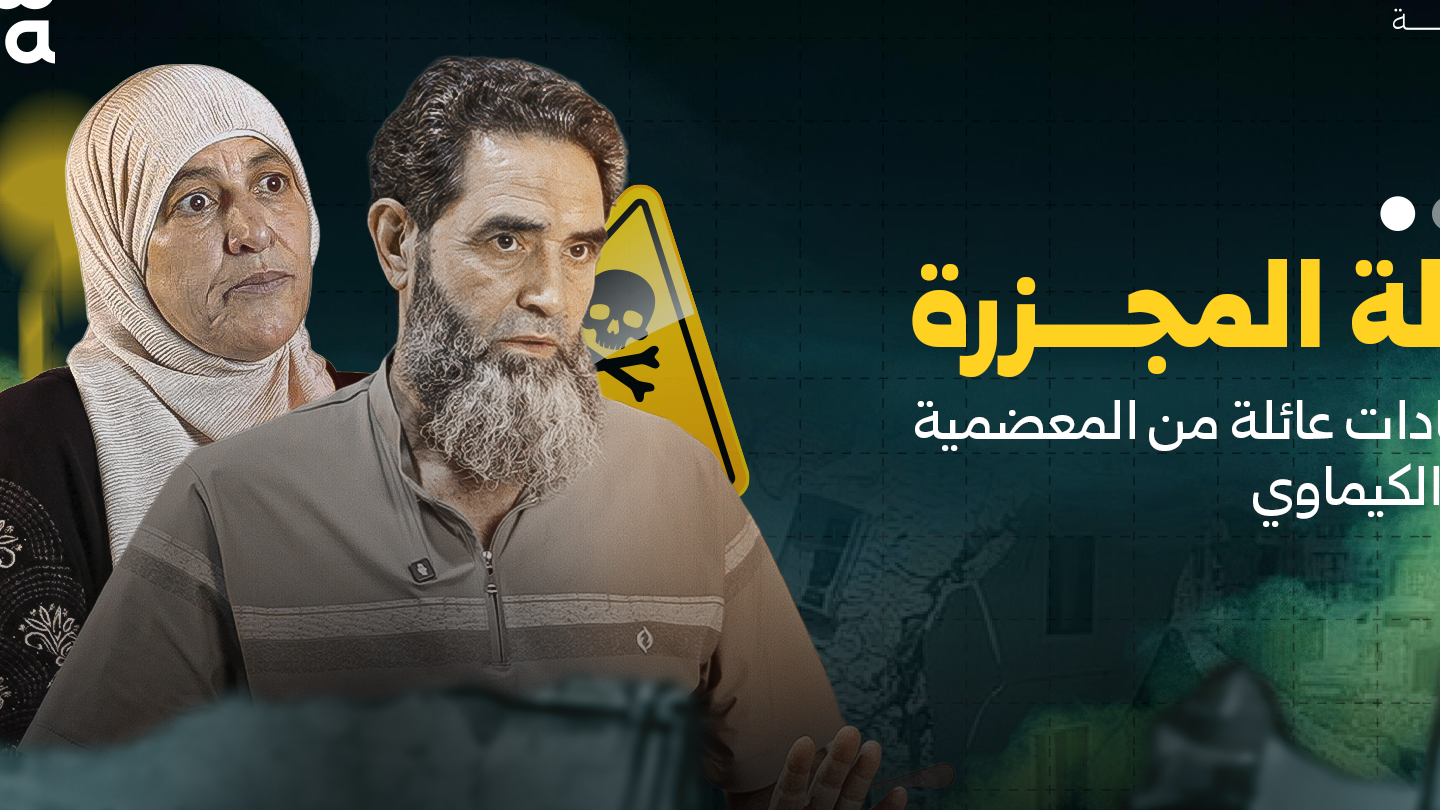
In the Moadamiyah al-Sham area of Rif Dimashq, the scars of the past remain deeply embedded in the memories of those who survived one of the most harrowing chapters of the Syrian conflict. A local family has recently come forward to recount their traumatic experiences during the night of the chemical attack, providing a visceral window into the events that unfolded in their neighborhood.
For residents of Moadamiyah, that night stands as a defining moment of fear and survival. The family’s testimony details the onset of the attack, describing the sudden realization that the air had turned lethal and the desperate scramble for safety. As the chemical agent permeated the residential areas, families were forced to make split-second decisions that would determine who among them survived the night. The survivors describe a scene of profound confusion and panic, where the lack of warning systems left civilians largely defenseless against the invisible threat.
Throughout their account, the family highlights the catastrophic impact on the civilian population. Beyond the immediate physical trauma, the night resulted in lasting psychological wounds and the destruction of the community’s sense of security. The testimony sheds light on the lived reality of families caught in the crossfire of the conflict, emphasizing the human toll of military operations that utilize unconventional weapons in densely populated urban centers.
Infrastructure in Moadamiyah, much like the social fabric of the town, was severely impacted by the events of that period. The survivors noted how quickly the medical and civil response systems were overwhelmed by the influx of casualties, leaving many to fend for themselves in the dark as they struggled to breathe. Their story serves as a stark reminder of the long-term consequences that such attacks have on Syrian communities, particularly in the Rif Dimashq province, which has seen some of the most intense and complex developments of the war.
As the family recounts the specifics of their ordeal, they emphasize the importance of preserving the memory of these events. Their narrative is not just a personal record but a testament to the endurance of those who remained in their homes despite the immense risks. By sharing these details, they offer a somber perspective on the history of the conflict from the viewpoint of those who were on the ground, witnessing the events as they transformed their lives and their town forever. The account serves to illustrate the harrowing conditions faced by civilians in Rif Dimashq during the height of the hostilities, keeping the memory of the victims and the survivors at the forefront of the ongoing discourse regarding the human cost of the Syrian crisis.
