
Temperatures Decline Across Syria as Heatwave Recedes
Syria is experiencing a welcome shift in weather patterns as a significant heatwave, which has impacted the country over the past several days, officially recedes. According to the latest data from the National Meteorological Center, temperatures have begun a steady decline across all provinces, returning to their normal annual averages or slightly below, marking a transition toward more moderate summer conditions.
The decline in temperature is providing relief to residents after a period of intense heat. Meteorologists describe the current daytime weather as typical for this time of year, characterized by normal summer conditions, though the eastern regions and the Al-Jazeera area are expected to remain relatively hot. The sky is generally clear to partially cloudy, with a forecasted possibility of light, scattered rain showers over coastal, northern, central, and southwestern regions. In contrast, the eastern territories, Al-Jazeera, and the Badia are expected to experience dusty and hazy conditions.
Nighttime temperatures are cooling significantly, with conditions described as pleasant across the country. In mountainous regions, the nights have turned notably cool, while areas in the central and southern regions, as well as the Qalamoun area, may see light fog during the early morning hours, accompanied by high humidity. Residents in these areas are advised to remain aware of potential visibility issues during the early morning commute.
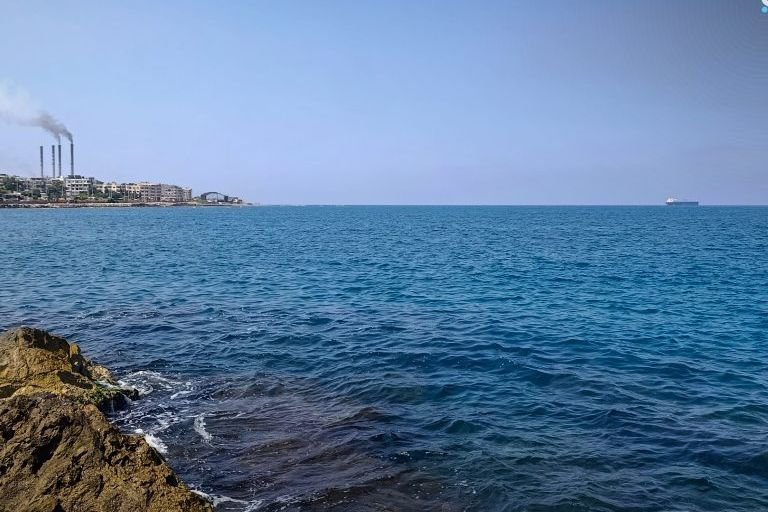
Wind patterns are currently moving from the west to the southwest. The winds range from light to moderate, though meteorologists have warned of active gusts exceeding 65 kilometers per hour during the afternoon, particularly in the central and southern provinces. These gusts are expected to stir up dust and sand in various inland regions. Meanwhile, maritime conditions remain stable, with the sea characterized by light wave heights, offering safe conditions for coastal activities.
As the country adjusts to these more seasonal temperatures, the drop is most pronounced in the eastern governorates, where the mercury had previously climbed significantly. Deir ez-Zor and Al-Hasakah, which recently faced extreme heat, are seeing a regression in peak temperatures. In Damascus, the forecast suggests a manageable daily range between 21 and 35 degrees Celsius, while coastal cities like Latakia and Tartus are seeing temperatures settle between 26 and 31 degrees Celsius. This stabilization of the climate is expected to provide some reprieve for infrastructure and agricultural sectors that have been operating under the pressure of the recent sustained heat.
