
Damascus Court Issues Death Sentences for Bashar al-Assad and Others
The Fourth Criminal Court in Damascus has issued death sentences against Bashar al-Assad and several other individuals, a move described by legal authorities as a landmark event in the Syrian judicial system. The presiding court reached its decision following an extensive judicial process, during which it heard testimony from witnesses and reviewed documented evidence regarding incidents in prisons and besieged areas.
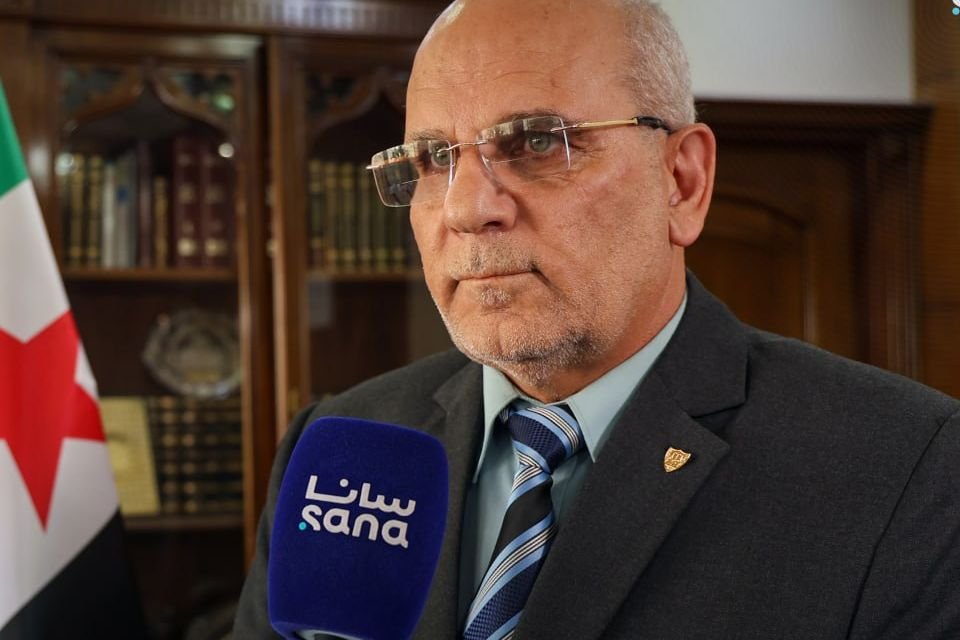
Mohammad Ali al-Tawil, the head of the Syrian Bar Association, characterized the ruling as a historic turning point. According to al-Tawil, these judicial outcomes are not reflective of reactive measures, but rather represent a formal and legal culmination of efforts to address the grievances of families affected by years of conflict. The legal proceedings involved a comprehensive review of testimonies from survivors and relatives of victims, serving to solidify the judicial record of the events described in the case files.
The court’s verdict targeted a group of individuals including Bashar al-Assad, Maher al-Assad, Atef Najib, Fahd Jassim al-Freij, Mohammed Ayman Ayoush, Louay Ali al-Ali, Qusay Ibrahim Mihoub, Wafiq Saleh Nasser, and Talal Fares al-Issami. The charges brought against the defendants centered on allegations of intentional killing and acts of torture committed against the Syrian population.
In his statement, the head of the Bar Association emphasized that the issuance of these sentences in Damascus sends a message regarding the role of the judiciary in upholding the rule of law. He asserted that the judicial process is intended to provide a mechanism for redress for those whose rights have been infringed upon and to serve as a safeguard for national memory against attempts to distort or justify past actions.
Legal representatives indicated that the move is seen as an assertion of public rights and an affirmation of the judiciary’s role in the current period. The court’s decision was described as a step toward establishing a framework where judicial authority remains independent and focused on the enforcement of law.
The proceedings concluded after the court finalized the required stages of litigation, including the hearing of parties involved in the case and the review of legal arguments. Officials noted that the documentation presented during the trial process remains a critical component of the judicial record, intended to establish accountability and ensure that the legal system functions as a neutral arbiter. This development has been positioned by legal figures as a significant shift in the country’s approach to justice and the documentation of human rights violations.
