
The Art of Aleppo Soap: A Legacy Passed Through Generations
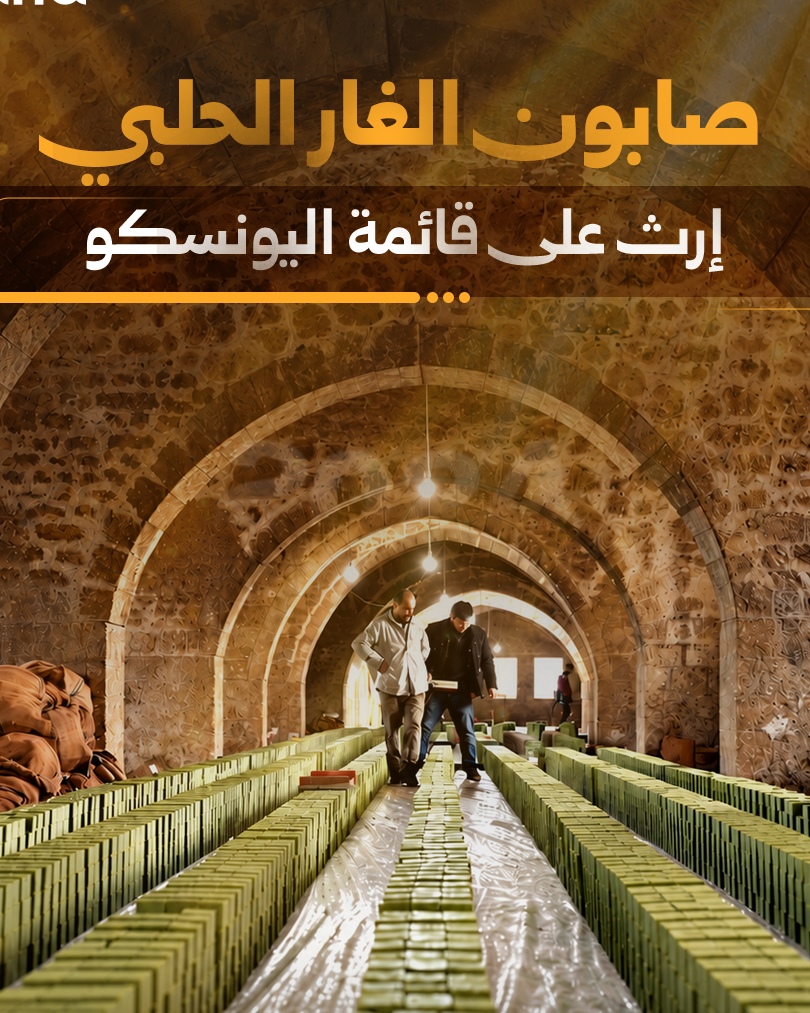
The production of Aleppo laurel soap stands as one of the most distinguished traditional crafts, serving as a profound reflection of the cultural and historical identity of the Syrian city of Aleppo. This craft, with skills passed down through Syrian families from generation to generation, relies on natural raw materials—specifically olive oil and laurel oil—to create a soap renowned for its high quality and widespread reputation.
The journey of soap production involves precise stages that require years of expertise. Basic ingredients undergo traditional chemical and physical processes to be transformed into the iconic soap bars known today. This work is not merely a commercial production process; it carries the unique “family hallmark” of those overseeing the manufacturing, embodying the long-standing memory of a location historically tied to the name of Aleppo.
Aleppo laurel soap is far more than a consumer product; it is a symbol of Syrian authenticity and craftsmanship. Despite the various challenges that can face traditional industries, this craft maintains its status as an inseparable part of the economic and social heritage of Aleppo. The value of these soap bars is derived from the precision of the manual labor involved and the use of natural ingredients. This dedication has ensured its continued popularity as a distinctively Syrian product that represents the meticulousness and commitment of Syrian artisans to preserving their historical professions.
Furthermore, this craft serves as a model for how local Syrian agricultural resources, such as olive oil, can be integrated into high-value manufacturing industries. This integration enhances the presence of traditional Syrian products within both the local collective memory and international markets, securing the legacy of the craft for the future.
Source: Syria Focus Arabic
