
Syria’s Olive Season: Modern Techniques and Quality Standards
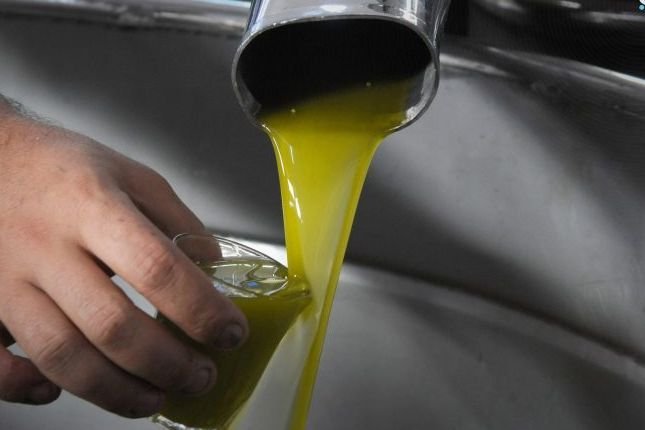
As the olive harvest season commences in Syria, attention has turned to the standards and methods employed in oil production. The process relies on a combination of agricultural expertise and modern technology to ensure the extraction of high-quality oil with distinct characteristics. Farmers and relevant authorities emphasize that production quality begins in the field, with trees requiring meticulous agricultural care throughout the season.
Farmers have identified several factors that determine the quantity and quality of the crop, most notably the agricultural services provided to the trees, annual rainfall, the specific olive variety, and the ripeness of the fruit at the time of harvest. Timing the harvest is a critical phase; farmers rely on visual indicators, such as the olives changing color from green to purple or reddish, to determine the optimal moment for picking.
Given the heavy reliance on manual labor in Syrian fields, significant efforts are directed toward ensuring the integrity of the fruit. Growers utilize specialized tools, such as plastic combs and clean tarpaulins, and ensure that collection crates are ventilated to prevent contamination or damage before the olives reach the press. Experts stress the importance of minimizing the time between harvesting and pressing to maintain the highest quality and avoid oxidation or issues arising from improper storage.
Once the harvest reaches the mills, the production process integrates modern technology. The fruit is received and weighed electronically before being cleaned of leaves and debris and thoroughly washed. The olives then proceed to the milling and malaxation stages, which are considered the most delicate parts of the process. Precise control is maintained over the temperature—set at approximately 37 degrees Celsius—and the duration of malaxation, which lasts between 30 and 40 minutes, to preserve the natural properties of the oil.
Syrian mills employ modern separation equipment that utilizes centrifugal force, reaching up to 3,100 revolutions per minute, to effectively separate the oil from water and solid matter, followed by final filtration processes. Mills are also placing increasing importance on utilizing processing by-products, such as olive pomace and waste, by extracting residual oil for industrial purposes like soap production. Meanwhile, solid waste is used as biofuel for heating in poultry farms and greenhouses, thereby enhancing overall production efficiency.
The Syrian Ministry of Agriculture has estimated the preliminary olive crop for the current season at approximately 954,000 tons. It is projected that 80 percent of this harvest will be directed toward oil production, with an expected output of nearly 191,000 tons of olive oil. The ministry has issued directives to provincial directorates to organize harvest schedules and oversee the opening of mills in accordance with the specific climatic conditions of each region, ensuring that the season proceeds in line with established technical standards.
Source: Syria Focus Arabic
