
New Medical Discovery Offers Hope for Resistant Hypertension
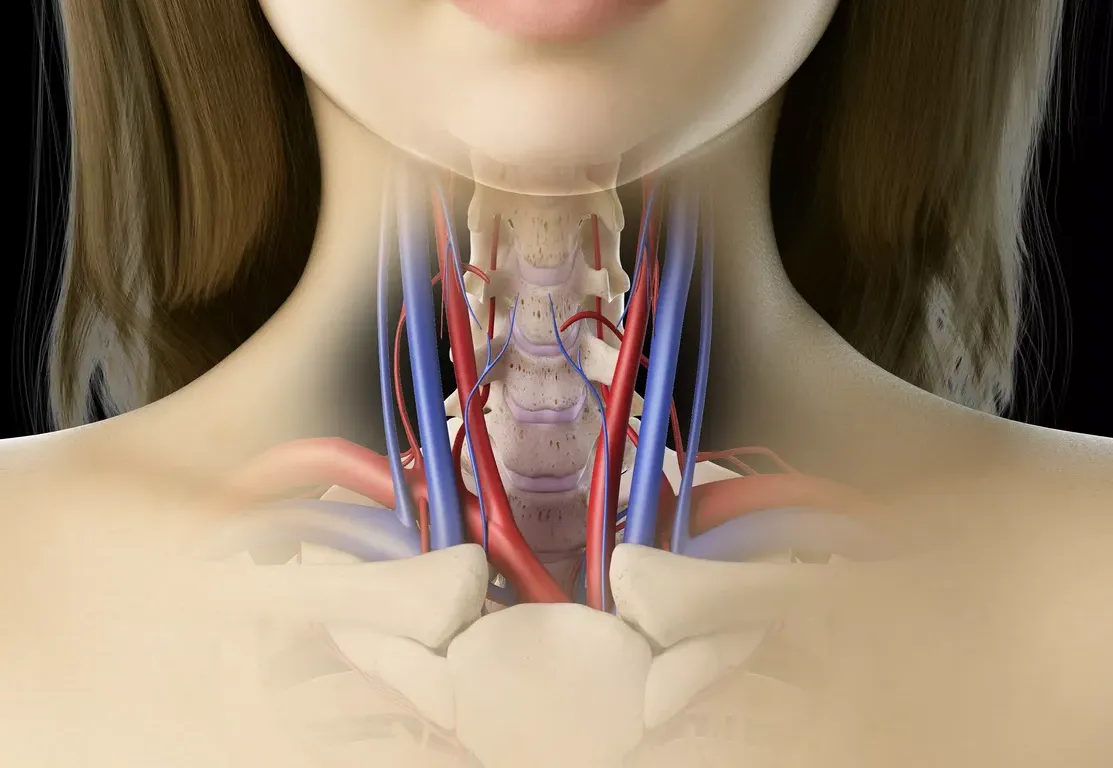
A team of British researchers has announced promising findings that could represent a qualitative shift in the treatment of resistant hypertension, a condition where high blood pressure fails to respond to currently approved conventional medications. The study focuses on a small organ located in the neck that plays a precise functional role in regulating blood pressure levels within the body.
According to scientific data released by a research team at the University of Bristol, this organ—known as the “carotid body”—is roughly the size of a grain of rice and plays a pivotal role in blood pressure regulation. The study demonstrated that dysfunction in this organ, specifically a state of overactivity, causes it to send incorrect signals to the brain. This results in patients maintaining persistently high blood pressure levels.
Researchers noted that their clinical trials have successfully proven the possibility of lowering blood pressure levels by calming the activity of the carotid body. These findings provide a glimmer of hope for hypertensive patients who suffer from serious health complications associated with the condition, including strokes, as well as chronic heart and kidney diseases.
In a related context, the research team emphasized their ongoing efforts to develop a new generation of sophisticated drugs designed to precisely target chemical signals within this organ. This new therapeutic approach aims to curb the overactivity of the carotid body through chemical intervention. Such a method could potentially eliminate the need for patients to undergo complex surgical procedures in the neck area.
This study represents a significant step in understanding the physiological mechanisms that control blood pressure. Scientists are now focusing on translating these discoveries into tangible therapeutic applications that contribute to improving the quality of life for those suffering from high blood pressure. This is particularly relevant for patients whose conditions have not responded to standard treatment protocols, thereby opening a new door to treating these cases without the need for surgical alternatives.
Source: Syria Focus Arabic
