
Syria Targets 50,000 Tonnes of Wheat Seed Production for 2026-2027
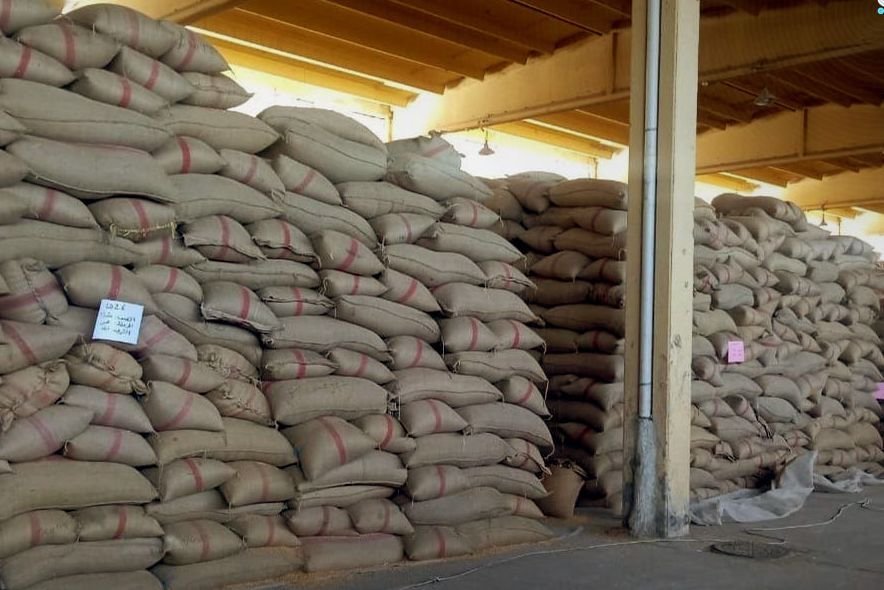
As part of ongoing government efforts to enhance food security and move toward grain self-sufficiency, the Syrian Ministry of Agriculture has outlined its production targets for the 2026-2027 season. The General Organization for Seed Multiplication is working to meet the needs of the agricultural sector by producing 50,000 tonnes of wheat seeds and 1,800 tonnes of barley seeds.
Engineer Mohammed Yasser Abrash, the organization’s Director of Production, explained that the agency is utilizing a strategy based on 19 certified wheat varieties. These varieties are selected for their high resistance to environmental stressors and heat. The list includes 12 varieties of durum wheat: Douma 1, 3, and 5; Sham 5, 7, 9, 11, and 13; Buhuth 7, 9, and 13; and ACSAD 65. The remaining seven varieties are soft wheat: Douma 2, 4, and 6; Sham 4, 10, and 12; and Buhuth 8.
Abrash noted that these varieties were developed through close collaboration between the General Commission for Scientific Agricultural Research and prominent international and regional research centers, including the International Center for Agricultural Research in the Dry Areas (ICARDA) and the Arab Center for the Studies of Arid Zones and Dry Lands (ACSAD). These initiatives aim to provide varieties specifically suited to Syria’s climate, ensuring resilience against diseases and various environmental stresses.
Regarding the national demand for seeds, Abrash stated that actual annual requirements are estimated at approximately 340,409 tonnes of wheat and 4,000 tonnes of barley. Regarding overall performance, the 2026-2027 season saw the delivery of roughly 2.7 million tonnes of wheat to the General Establishment for Cereal Processing and Trade, reflecting the current pace of production within the sector.
In terms of infrastructure development, the Director of Production confirmed that the organization is coordinating with international organizations to rehabilitate and upgrade seed processing and screening centers across various provinces. This project aims to increase the operational capacity of these facilities to approximately 30 tonnes per hour. Efforts have already begun to equip several branches with new screening machinery and to conduct comprehensive maintenance on storage facilities to ensure they are fully operational.
Despite these efforts, Abrash acknowledged significant challenges facing local seed production. The primary hurdles include the aging of existing screening facilities and the fact that some units and warehouses remain out of service due to damages sustained during the years of conflict. He emphasized that work is ongoing to address these issues, repair the facilities, and improve the quality of the seeds distributed to farmers to ultimately accelerate production.
Source: Syria Focus Arabic
