
International Nomadic Heritage Day: Preserving Syria’s Desert Legacy
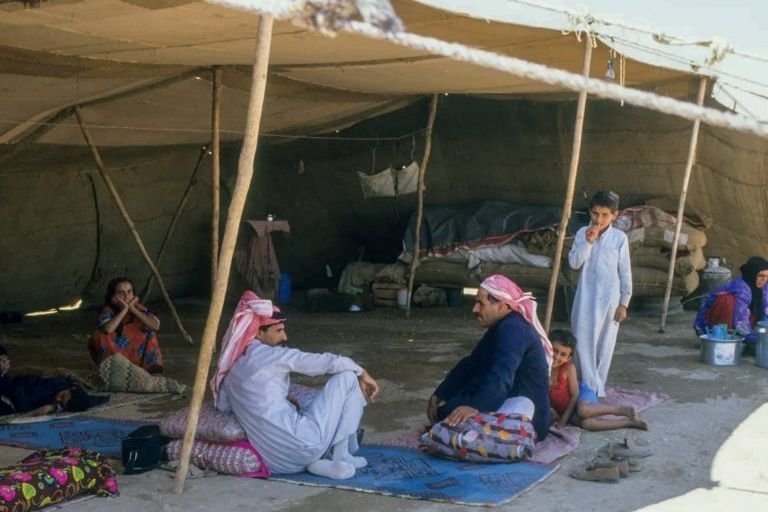
Throughout history, the Syrian Badia has served as a fundamental pillar of the nation’s cultural identity. Its vast expanses have long been home to a rich tapestry of deep-rooted knowledge, values, and traditions passed down through generations—all intrinsically linked to the rhythms of desert life, nomadic grazing, and the seasonal search for water and forage.
On September 22, the United Nations Educational, Scientific and Cultural Organization (UNESCO) marked the first International Nomadic Heritage Day. This global acknowledgment has brought the preservation and documentation of this vital cultural legacy back into the spotlight.
The selection of September 22 is significant, as it coincides with the autumnal equinox—a pivotal moment in the seasonal cycle that directly influences the lives of communities reliant on nomadic lifestyles and pastoral rhythms. UNESCO emphasizes that nomadic societies have played a historical role in fostering cultural exchange, facilitating the transmission of ideas and traditions across diverse communities. Furthermore, these groups remain essential for their role in protecting biodiversity and adapting to climate volatility through traditional knowledge of ecosystems and water management.
Within the Syrian context, experts view this occasion as a crucial opportunity to reinvigorate interest in the national nomadic heritage. Hussein Al-Hakim, General Supervisor of the Center for Arab Tribes Studies, highlighted the importance of this step, noting that the Syrian Badia has undergone significant transformations as many of its people have transitioned toward stability in cities and rural areas.
Al-Hakim stressed that this shift has not erased the identity of the Badia. Its people continue to uphold core values such as hospitality, neighborly rights, and supporting those in need, while maintaining a rich poetic heritage. He called for the establishment of a specialized association dedicated to safeguarding this heritage, while also advocating for greater opportunities for desert poets to participate in national cultural events.
Regarding documentation and preservation, field studies conducted by Syrian and international researchers indicate that while the transition to a settled lifestyle has altered some daily practices, it has fostered the continuity of fundamental values and traditional crafts. The Directorate of Intangible Heritage at the Syrian Ministry of Culture continues to play an active role in tracking and documenting elements of nomadic heritage—including Nabati poetry, textile weaving crafts, and traditional ecological knowledge. These efforts aim to educate new generations about this heritage and ensure its preservation.
Documenting these skills and crafts, which reflect an intricate understanding of the local environment, serves to reinforce the Syrian cultural identity. Celebrating the International Nomadic Heritage Day marks an important step in recognizing the enduring role that the people of the Badia have played in shaping contemporary Syrian history.
Source: Syria Focus Arabic
