
IAEA Closes Syrian Nuclear Non-Compliance File
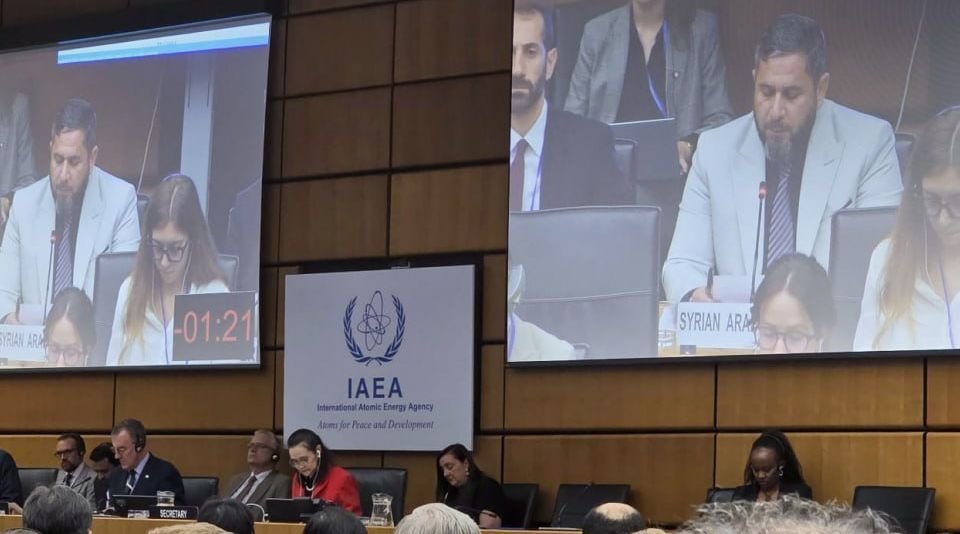
The International Atomic Energy Agency (IAEA) Board of Governors has reached a significant diplomatic and technical milestone by formally adopting a decision to remove the “non-compliance” item related to Syria from its agenda. This action effectively closes a long-standing file that has been the subject of years of deliberations and diplomatic pressure.
Mudar Al-Akla, head of the Syrian Atomic Energy Commission, characterized the decision as a historic achievement and a pivotal moment in the relationship between Syria and the IAEA. He stated that this outcome is the result of dedicated national efforts, which the Syrian state has managed with responsibility and transparency over the past year and a half.
On September 3, Syria presented a comprehensive official briefing to representatives of IAEA member states. During this session, Syria outlined the national efforts undertaken to address the legacy of past nuclear activities, reaffirming its full commitment to international safeguards.
Through its approach of technical cooperation and transparency, Syria has succeeded in upholding its sovereign right to develop nuclear technology for peaceful purposes. Al-Akla explained that the decision represents international recognition of the integrity of the Syrian approach to this file. This reaffirmation bolsters the country’s right to utilize nuclear science for vital national development, particularly in areas such as radiation medicine, energy, scientific research, agriculture, and water resource management, all of which contribute directly to improving the quality of life for citizens.
Regarding future cooperation, Al-Akla emphasized that the Syrian Atomic Energy Commission intends to leverage this development to strengthen international cooperation channels. The commission plans to work toward attracting research grants and advanced training fellowships to equip national cadres with necessary expertise. He noted that this progress not only opens new horizons for scientific research and innovation but also puts an end to previous attempts to utilize this file as a tool for political pressure.
It is noteworthy that during the Board of Governors meetings, Syria explicitly called for the final closure of the file. The country announced its voluntary commitment to subjecting previously undeclared nuclear materials to international safeguards and providing the necessary technical facilities. This commitment ultimately culminated in the unanimous decision, which serves as a testament to the Syrian state’s seriousness in complying with international standards and developing its national program in a transparent and responsible manner that serves the country’s sustainable development goals.
