The Art of Diwani Jali: A Testament to Syrian Calligraphic Mastery
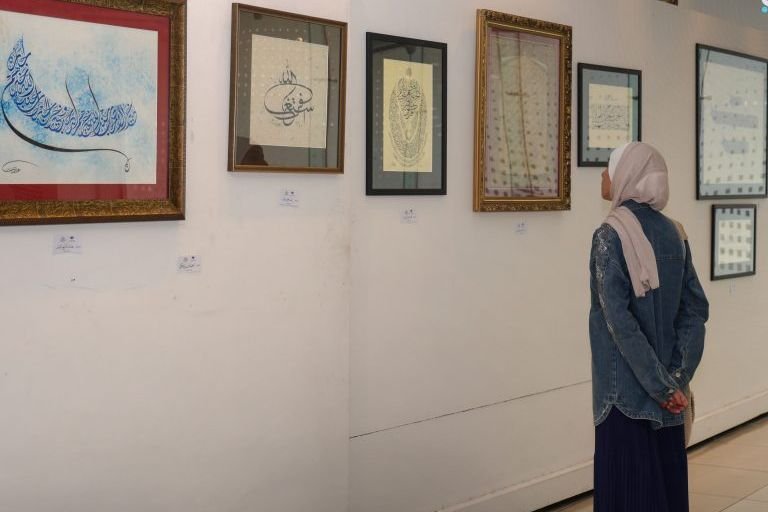
The Diwani Jali script, characterized by its flowing movements and complex geometric balance, remains a vital and flourishing art form within Syria. Known for its distinct aesthetic that mimics the shape of a boat navigating between two parallel banks, this script represents a sophisticated intersection of historical legacy and contemporary artistic expression.
Originally developed within the Ottoman Empire, the Diwani Jali script was historically utilized for official state decrees, royal correspondence, and significant formal documents. Over the centuries, its function shifted from the rigid requirements of administrative bureaus to the expressive freedom of fine art. Today, it is prominently featured in exhibitions and specialized galleries, where calligraphers showcase the script’s ability to weave letters into intricate, balanced compositions.
Technically, Diwani Jali is defined by its density of ornamentation, the use of precise, rounded dots, and the skillful manipulation of space. Unlike more standardized scripts, it offers the artist significant creative flexibility to adjust the size, length, and position of letters to fit the overall composition. This requires a high degree of precision in balancing the relationship between characters, decorative elements, and negative space.
In Syria, a dedicated school of calligraphers has been instrumental in keeping this tradition alive while infusing it with modern sensitivities. Syrian masters have introduced subtle refinements, such as adjusting the length of vertical strokes and enhancing the rhythm of the letters, without compromising the core principles of the script. This creative evolution demonstrates that the artistic value of the Diwani Jali lies in its ability to marry strict traditional discipline with the individual vision of the contemporary artist.
Prominent figures within the Syrian calligraphic community, such as Abd al-Nasir al-Masri, have played a significant role in this continuity. Having trained under master calligraphers, these artists have achieved international recognition, contributing their skills to major projects including the transcription of the Holy Quran and participation in global festivals of Arabic calligraphy. Their work serves to link the historical memory of the old state registries with the sensitivity of modern art.
The durability of this art form in Syria underscores its cultural significance. Despite the decline of its administrative utility in its original Ottoman context after the early 20th-century linguistic reforms, the script found a new lease on life through the commitment of Syrian artisans. By mastering the balance between complex ornamentation and structural legibility, Syrian calligraphers ensure that the Diwani Jali continues to serve as a powerful medium for artistic expression, turning lines of text into visual masterpieces that remain deeply rooted in the nation’s rich heritage of Islamic art.
