
Salma Residents Launch Community Cleanup Initiative in Latakia
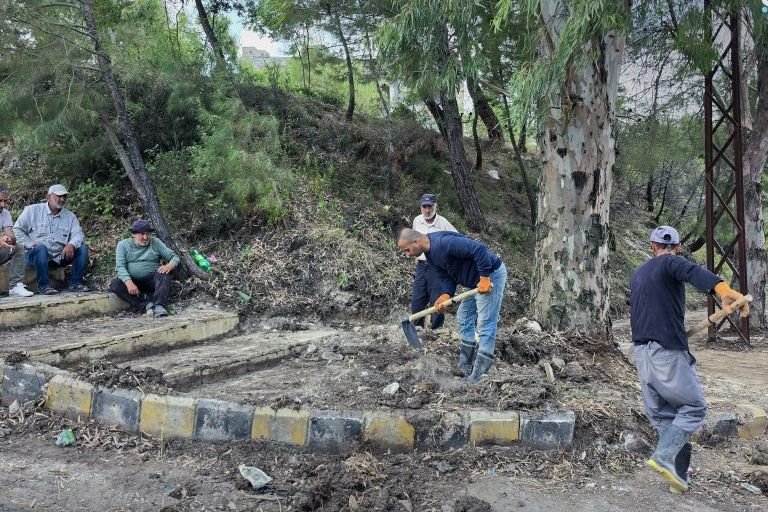
Residents of the town of Salma, located in the Latakia countryside, have launched a comprehensive community cleanup campaign aimed at improving the town’s urban landscape and maintaining its reputation as a premier destination for visitors. The initiative, which began this Sunday, is being conducted in close cooperation with the local town council and features active participation from the local population.
Salma is widely recognized as one of the most prominent resort towns in the Latakia region. Its pleasant climate and scenic environment attract significant numbers of tourists and visitors from across all Syrian governorates, as well as international travelers, during the summer months. Given the town’s status as a key tourist hub, local authorities and residents have emphasized the importance of preserving the area’s cleanliness and visual appeal to ensure it continues to provide a welcoming environment for its guests.
Mohamed Arijan, head of the Salma town council, stated that the campaign will run for a duration of seven days. The primary focus of the efforts involves the removal of weeds and accumulated refuse from streets and sidewalks. Arijan noted that the operation relies heavily on the dedication and manual labor of the residents, reflecting a shared commitment to the upkeep of the town’s public spaces.
The project has been met with positive engagement from the community. Firas Al-Haji, a local resident participating in the initiative, highlighted that the campaign serves as both a practical effort to improve the town’s appearance and a move to foster a culture of civic responsibility. According to Al-Haji, maintaining the cleanliness of public roads and common areas is a duty that rests upon the entire community.
By mobilizing local volunteers alongside official council resources, the people of Salma aim to sustain the high standard of hygiene required to uphold the town’s character as a leading tourist destination in the region. The ongoing effort remains a testament to the community’s dedication to its local environment and its role in the broader landscape of Syrian tourism.
