Syria’s Social Insurance Institution Moves to Restore Raqqa Branch
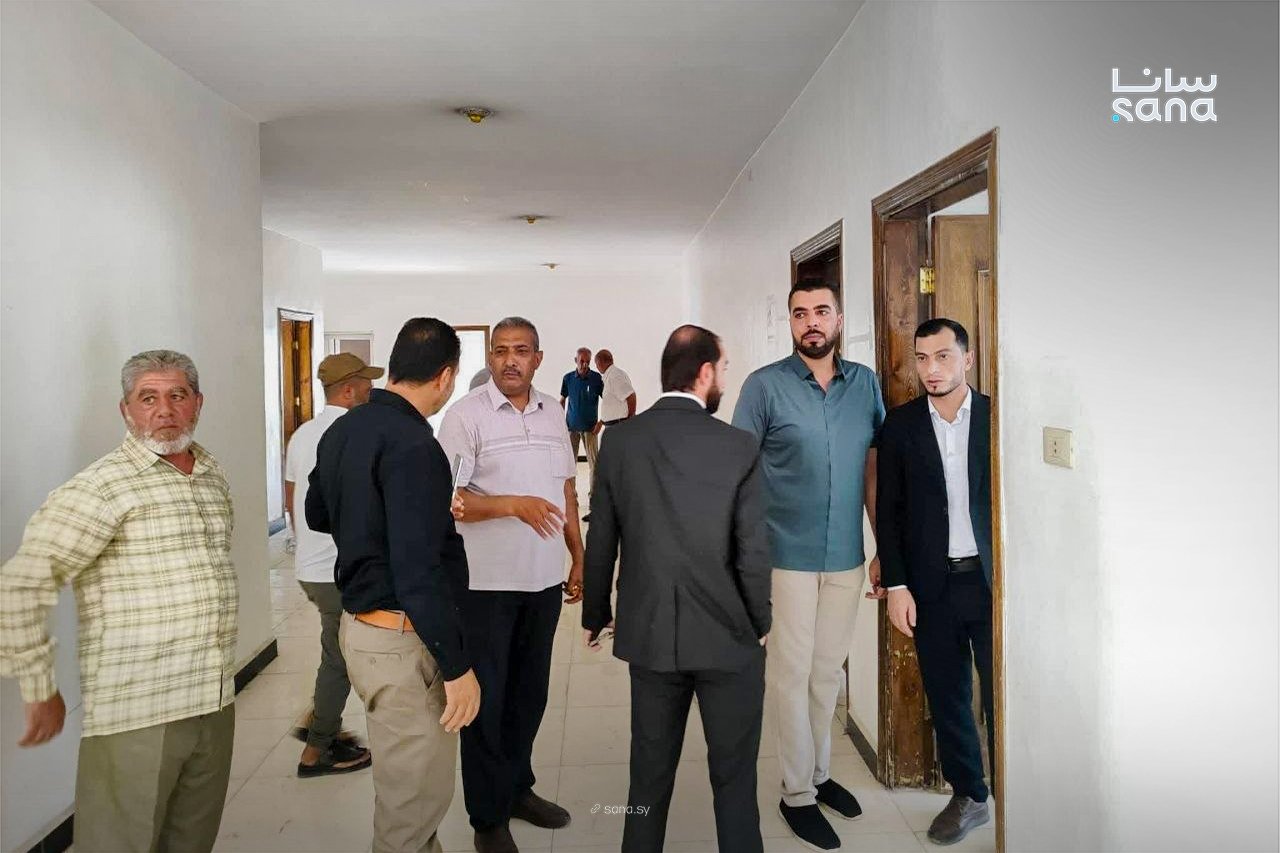
The Syrian Public Institution for Social Insurance has officially taken possession of its branch facility in Raqqa as part of a strategic initiative to resume administrative operations and provide essential coverage to local residents. The handover marks a significant development in the broader effort to restore state-run social services in a region that has faced substantial infrastructure challenges over the past decade.
Following the acquisition of the site, officials from the institution confirmed that plans are already underway for a comprehensive renovation and refurbishment of the property. The goal is to transform the existing structure into a fully functional service center capable of managing the diverse insurance needs of the local population. By upgrading the physical environment, the institution aims to create an accessible and efficient space for beneficiaries to interact with state representatives.
For many years, the absence of an operational branch in Raqqa has created significant hardships for workers and citizens alike. Residents seeking to manage their insurance claims, pensions, or other social security matters were previously forced to undertake arduous travel to alternative provinces to complete routine paperwork. The reopening of the Raqqa office is designed to alleviate these logistical burdens, ensuring that citizens can access their rights and entitlements with greater ease and stability.
This move in Raqqa is part of a wider, ongoing commitment by the Syrian government to decentralize service delivery and restore institutional reach across various governorates. The effort reflects a broader strategy to revitalize public sector infrastructure, which has been severely hampered by regional instability. A similar milestone was reached in July, when the institution inaugurated a new, modernized headquarters for its branch in Hama. That project served as a pilot for current efforts to upgrade the national institutional network, focusing on both the quality of facilities and the speed of service provision.
As the renovation process in Raqqa begins, the focus remains on equipping the facility with the necessary tools to handle complex social security data and provide reliable, consistent support to the community. Officials indicated that the restored branch will act as a primary interface for the institution in the region, reflecting a commitment to ensuring that social safety nets are properly maintained and accessible to all eligible beneficiaries regardless of their location.
While the restoration of the Raqqa office is primarily an administrative development, it carries broader implications for the social stability of the area. By re-establishing state-managed social services, the government aims to rebuild public trust and ensure that workers are provided with the necessary security protections, which are essential for economic recovery and the stabilization of local communities in the wake of long-term operational disruptions.
