
Syria Expands Healthcare Infrastructure in Deir Ezzor Province
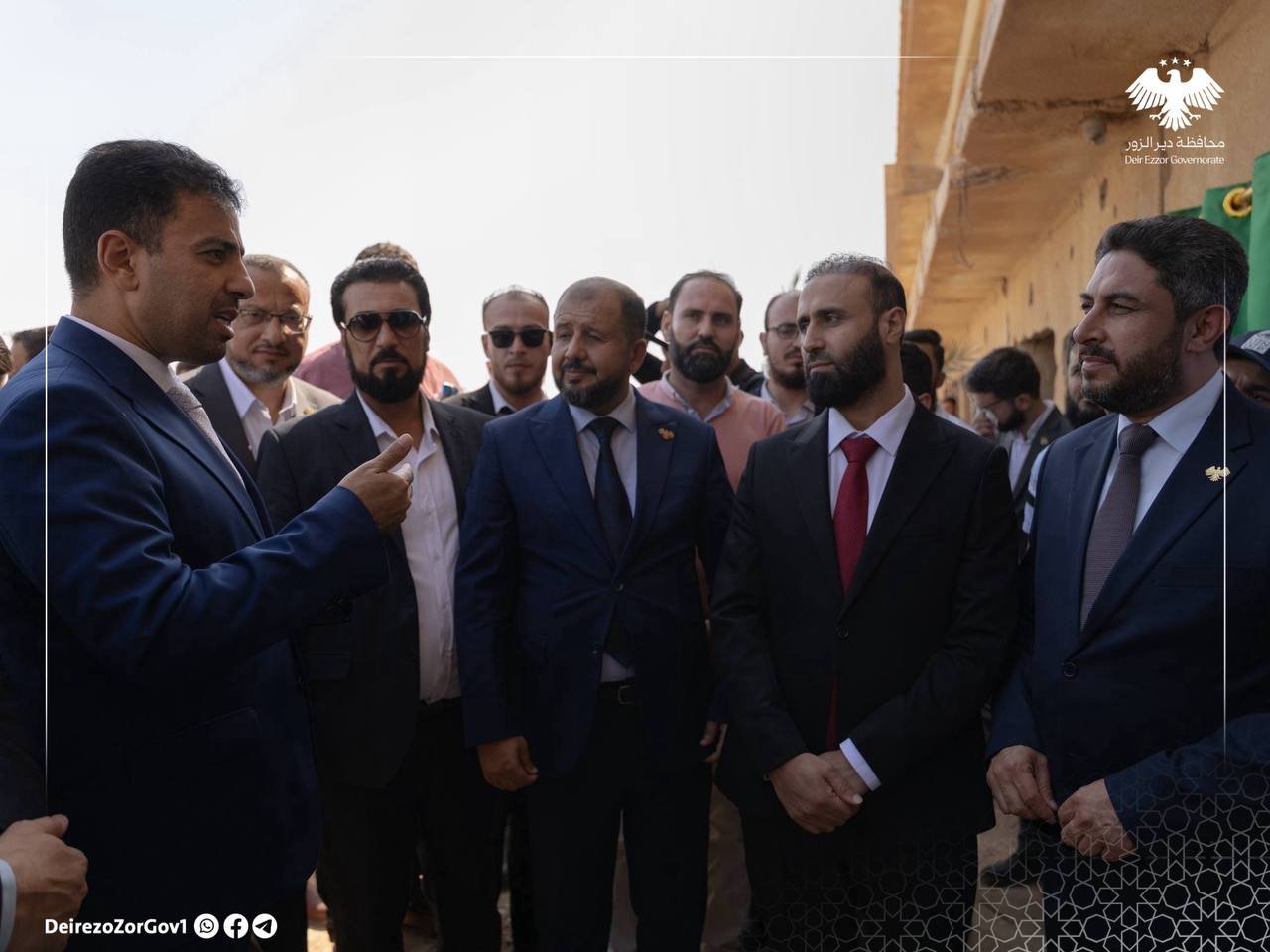
Syrian Minister of Health, Dr. Mossab Al-Ali, formally inaugurated a new maternity hospital in the city of Albukamal, located in the eastern province of Deir Ezzor, on Monday. The facility, established in partnership with Médecins Sans Frontières (Doctors Without Borders), is designed to expand essential reproductive and obstetric healthcare services for women in the city and its surrounding rural areas.
The newly opened hospital is equipped with a dedicated labor and delivery wing, surgical theaters, a laboratory, and ultrasound diagnostic services. Local officials, including the Governor of Deir Ezzor, Ziad Al-Ayesh, attended the opening, marking a significant step toward stabilizing essential civilian services in a region that has seen protracted disruption to its social infrastructure.
Building on the momentum of this opening, Minister Al-Ali also announced the commencement of a major rehabilitation project for the Albukamal National Hospital. This secondary phase of infrastructure development is being executed in collaboration with the United Nations Development Programme (UNDP), signaling an international effort to restore the functionality of the city’s primary healthcare institution.
The development in Albukamal is part of a broader health initiative currently underway in Deir Ezzor. Earlier in the day, the Minister laid the foundation stone for the Deir Ezzor Specialized Oncology Hospital, a project intended to centralize cancer treatment capabilities for the region. Additionally, the itinerary included the launch of new medical units and specialized departments at the Al-Huwaidi Hospital for Children and Maternity in the provincial capital.
These infrastructural advancements represent a strategic effort by health authorities to address the critical gaps in the region’s medical capacity. By prioritizing both maternal care and specialized treatments like oncology, the government is attempting to alleviate the burden on the local population, who have often been forced to travel long distances to access complex medical care.
The focus on rehabilitating existing national institutions, such as the Albukamal National Hospital, highlights a shift toward restoring long-term domestic service provision. The collaboration with international organizations suggests a reliance on multilateral support to address the logistical and economic challenges associated with maintaining high-standard medical facilities in the eastern provinces. As these projects move from the planning to the implementation phase, local authorities are looking to ensure that these facilities are adequately staffed and supplied to provide sustainable care to the residents of Deir Ezzor.
